Published on September 1st, 2025 | by David Marshall
0
Episode 168/169: Grasslands
Grassy biomes, including grasslands, savannahs and crops, cover over 40% of all land on Earth. They play a significant role in carbon and silica cycles and have a large impact upon the climate. Grasslands (grass-dominated ecosystems) have shaped the evolution of numerous groups of organisms, most obviously grazing mammals, and can support a huge amount of biodiversity. Humans evolved in the savannas and through domestication of grasses formed agriculture, leading to a modern diet dominated by grasses such as oats, rice, wheat and corn.
As anthropogenic climate change threatens large scale uncertainty, it’s vital that we understand the controls that govern the success of this fundamentally important group. It is only by studying the evolutionary history of grasses that we might be able to predict how they will fare in future.
Joining us in this episode to speak about the challenges of piecing together the evolutionary history of grasses from a relatively poor fossil record is Prof. Caroline Strömberg of the University of Washington.
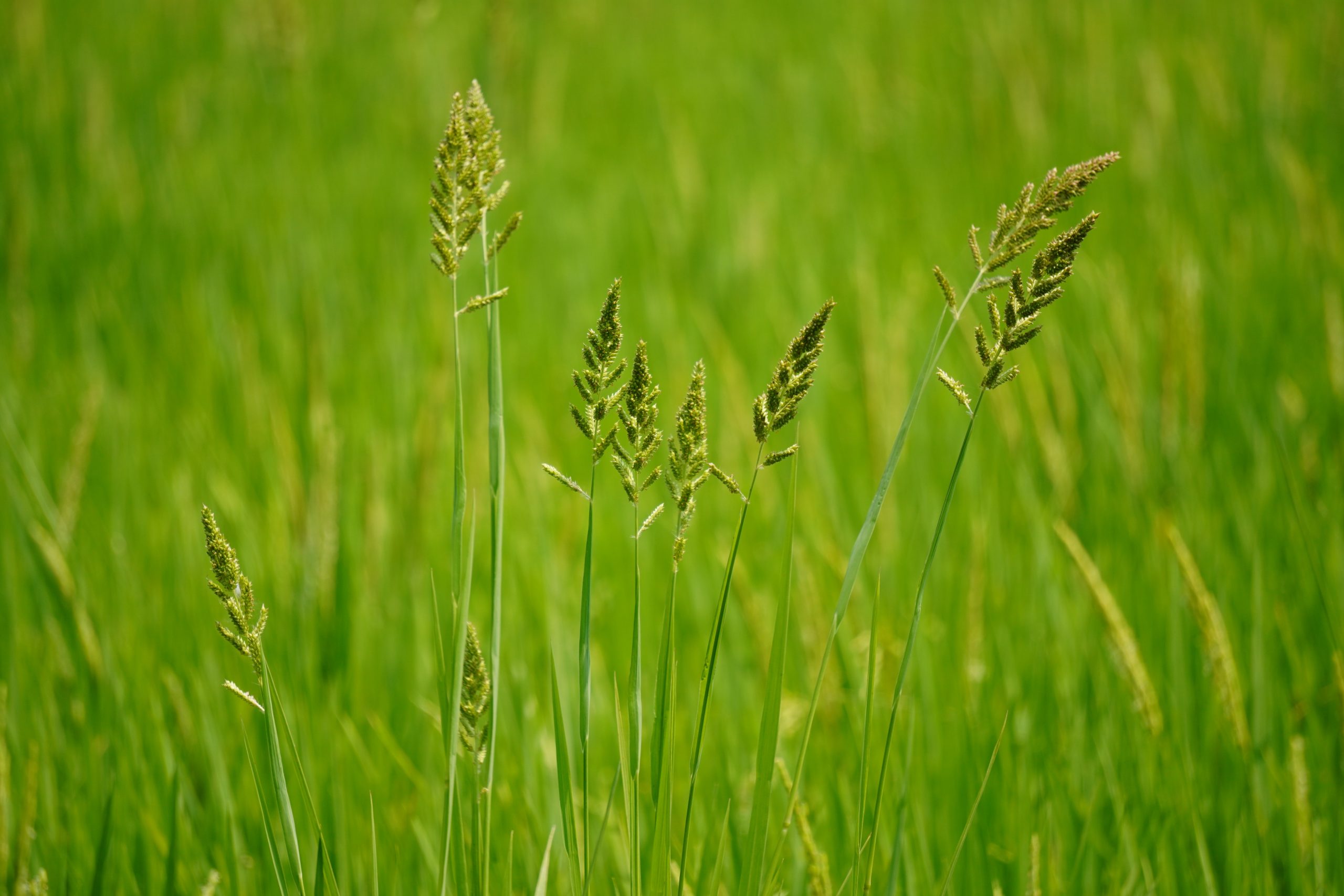
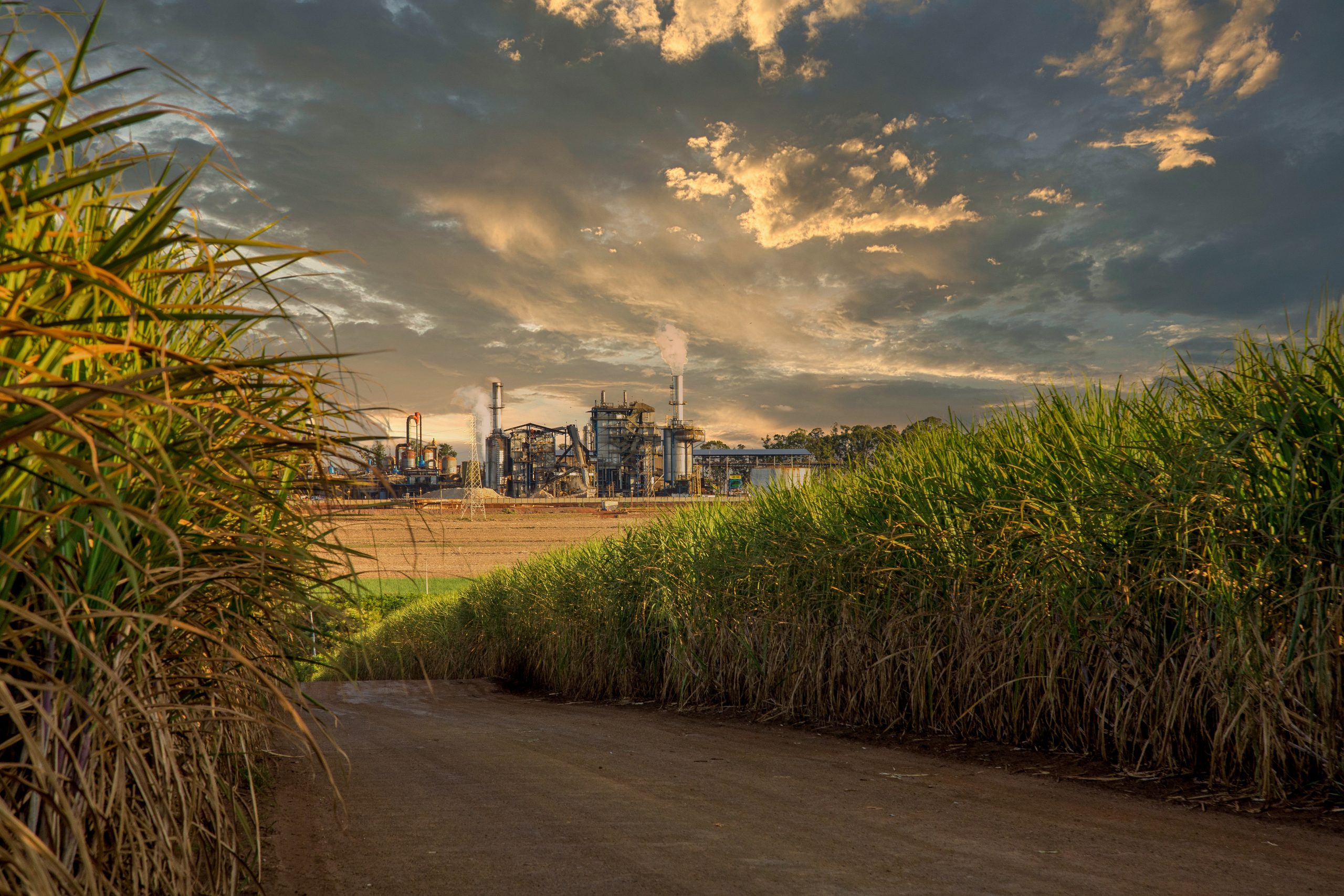
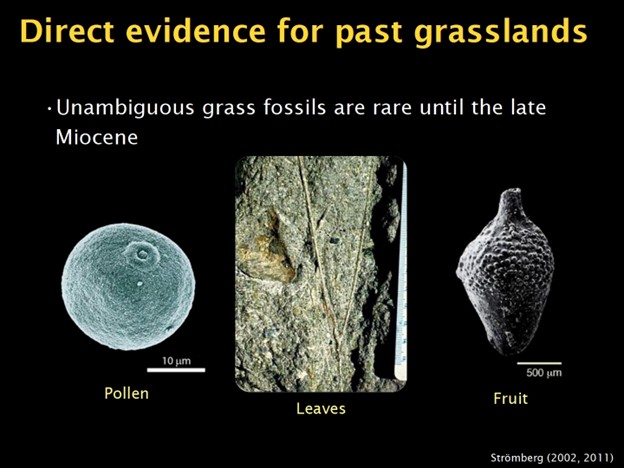
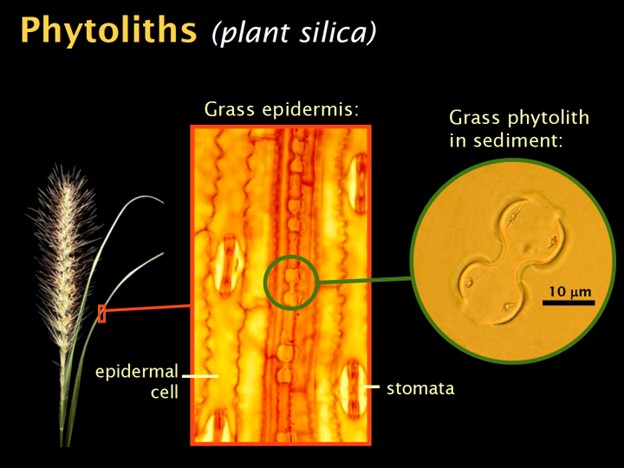
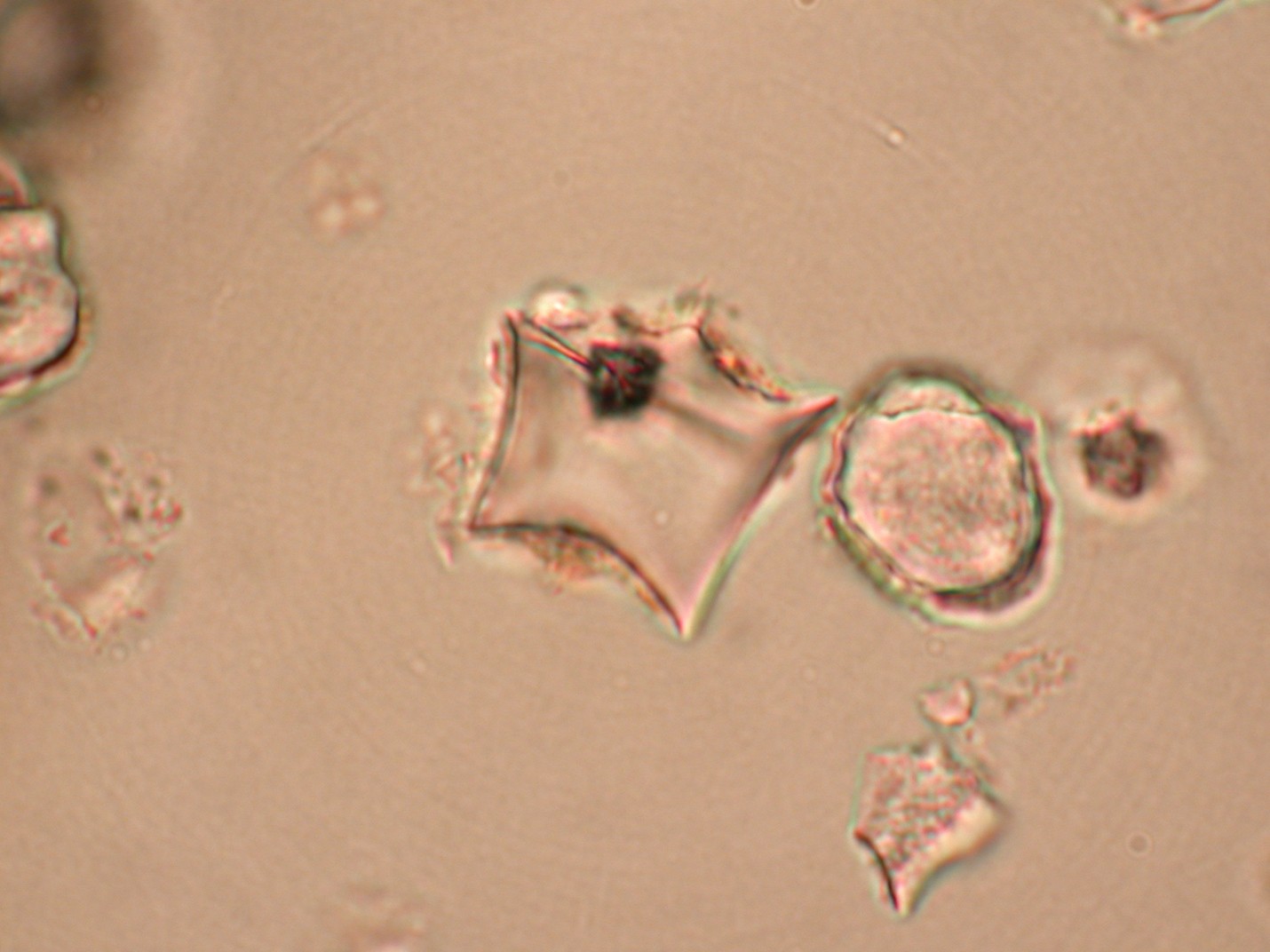
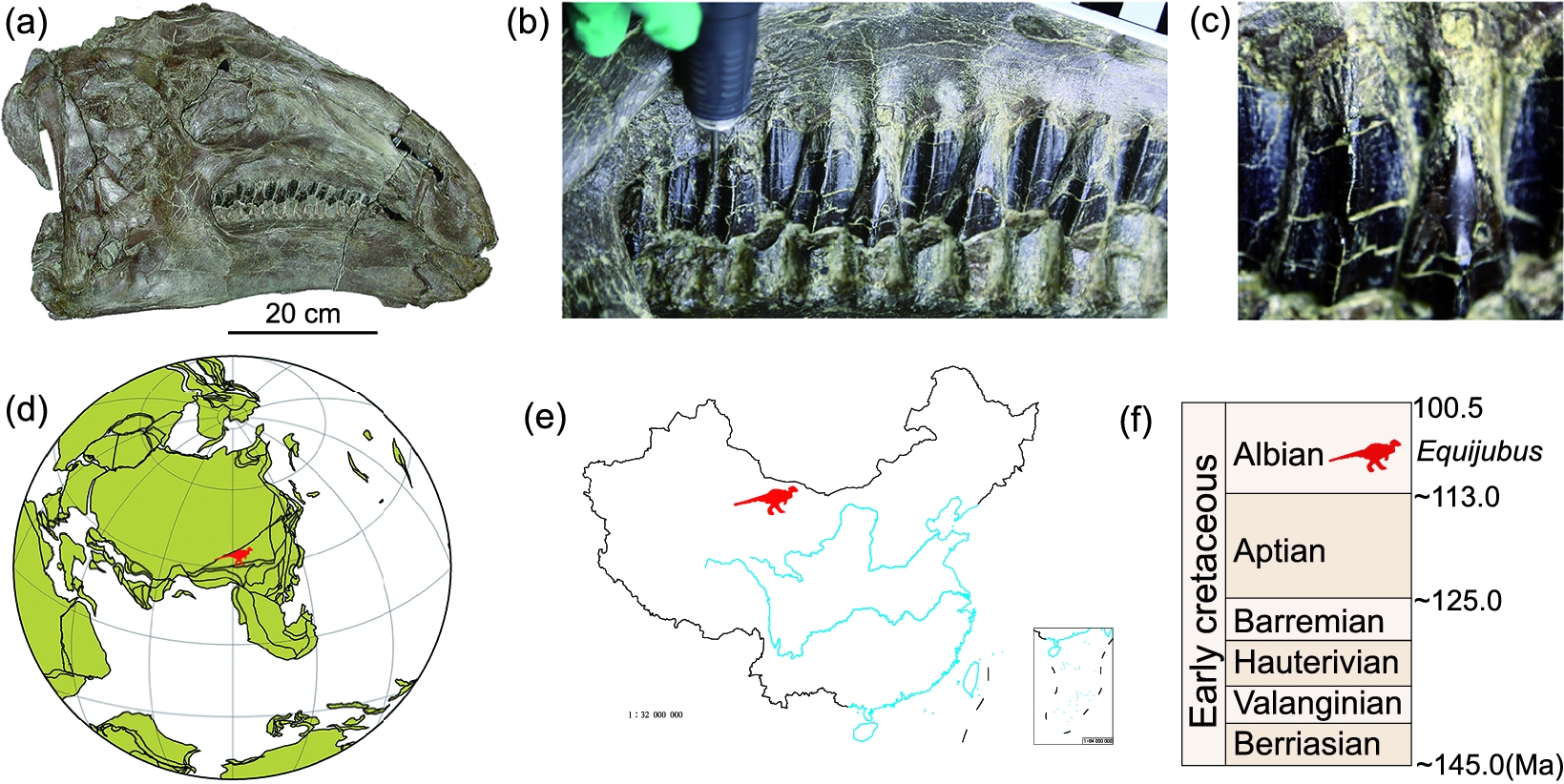
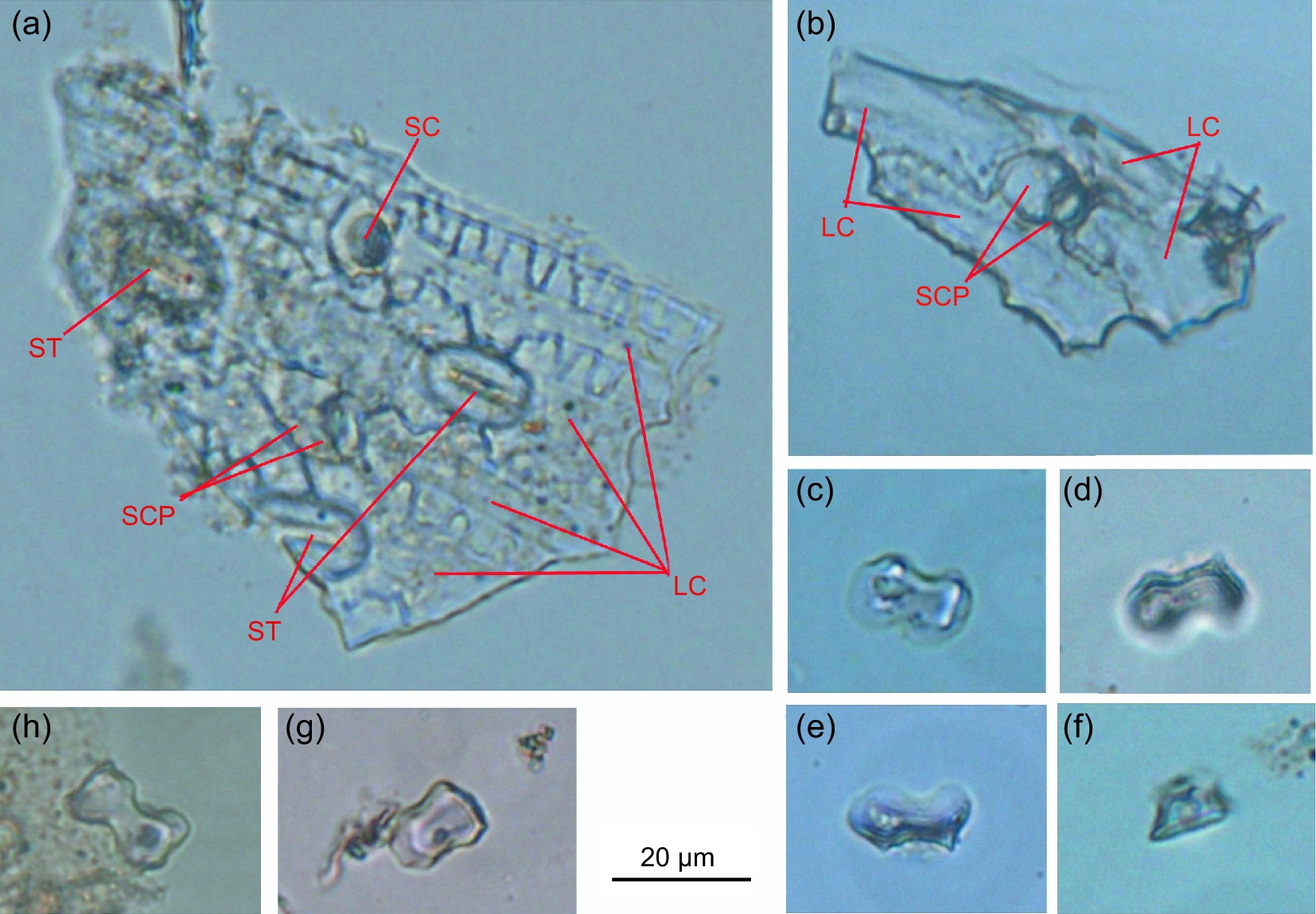
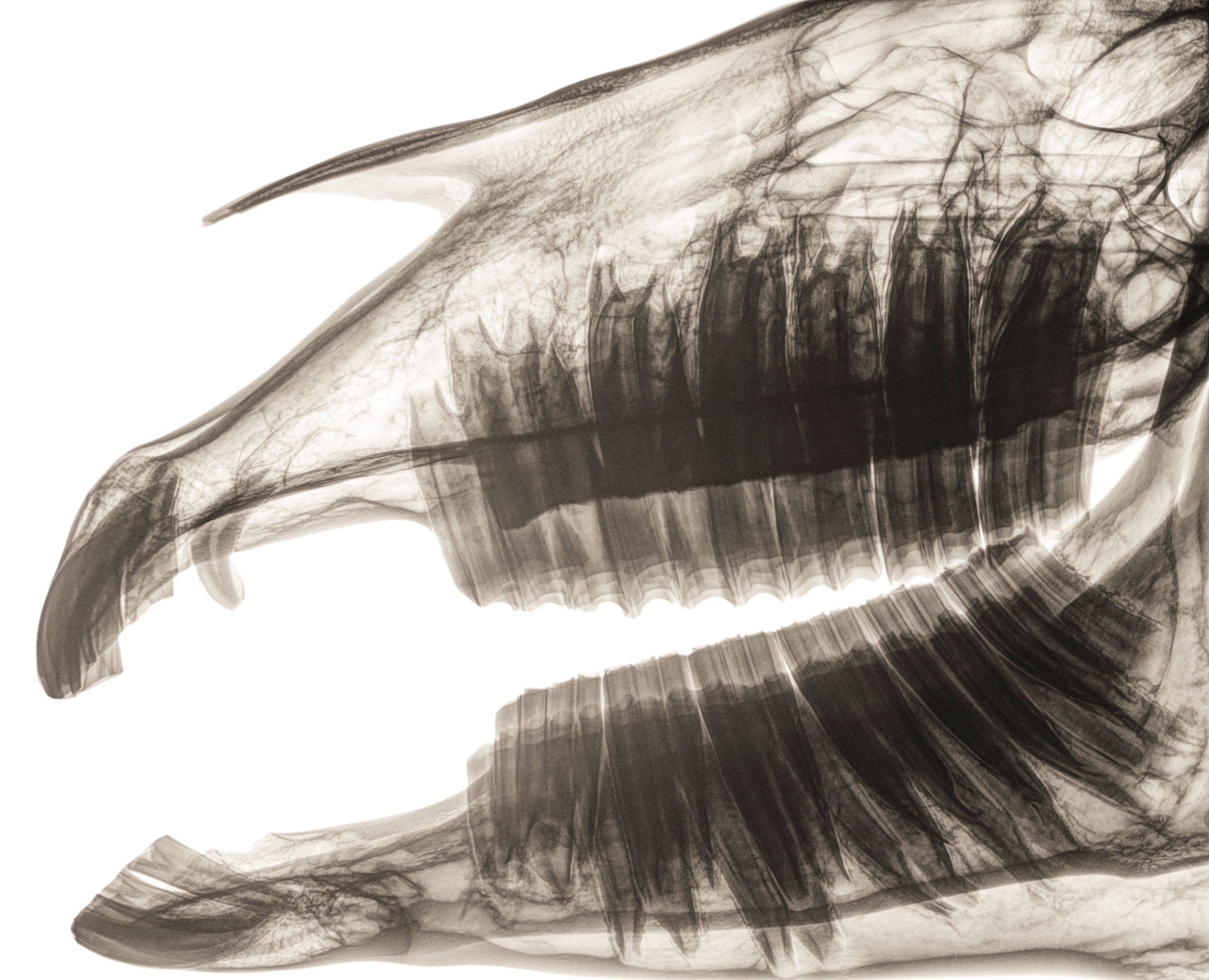
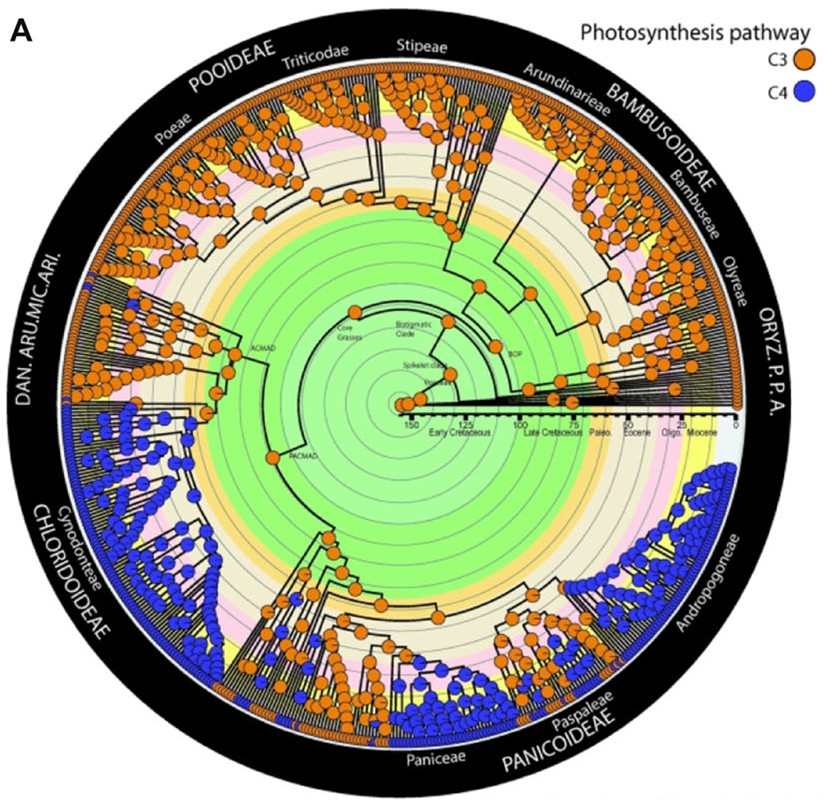
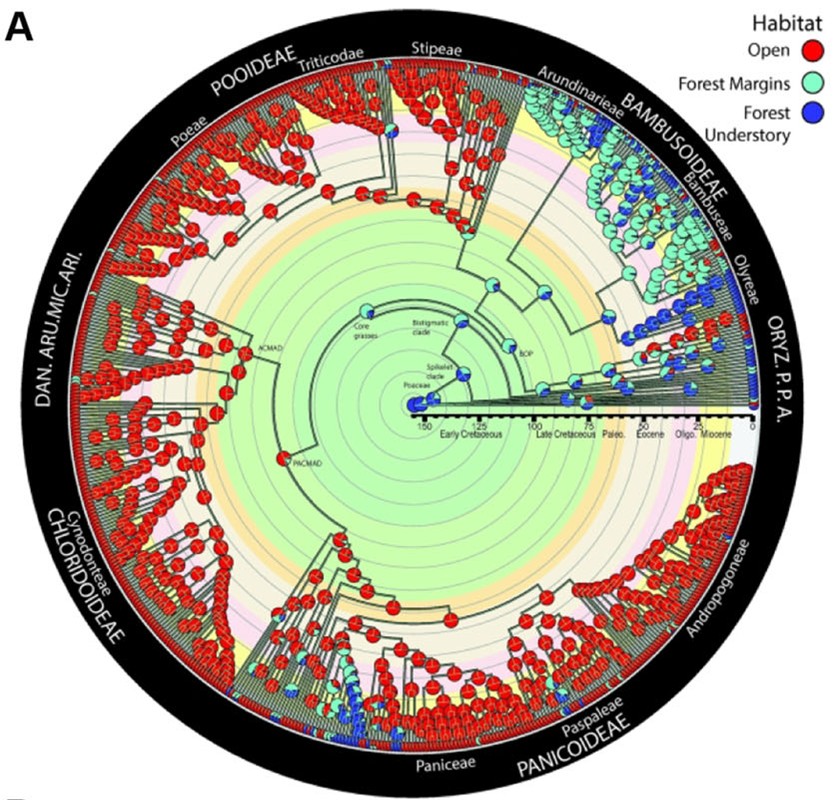
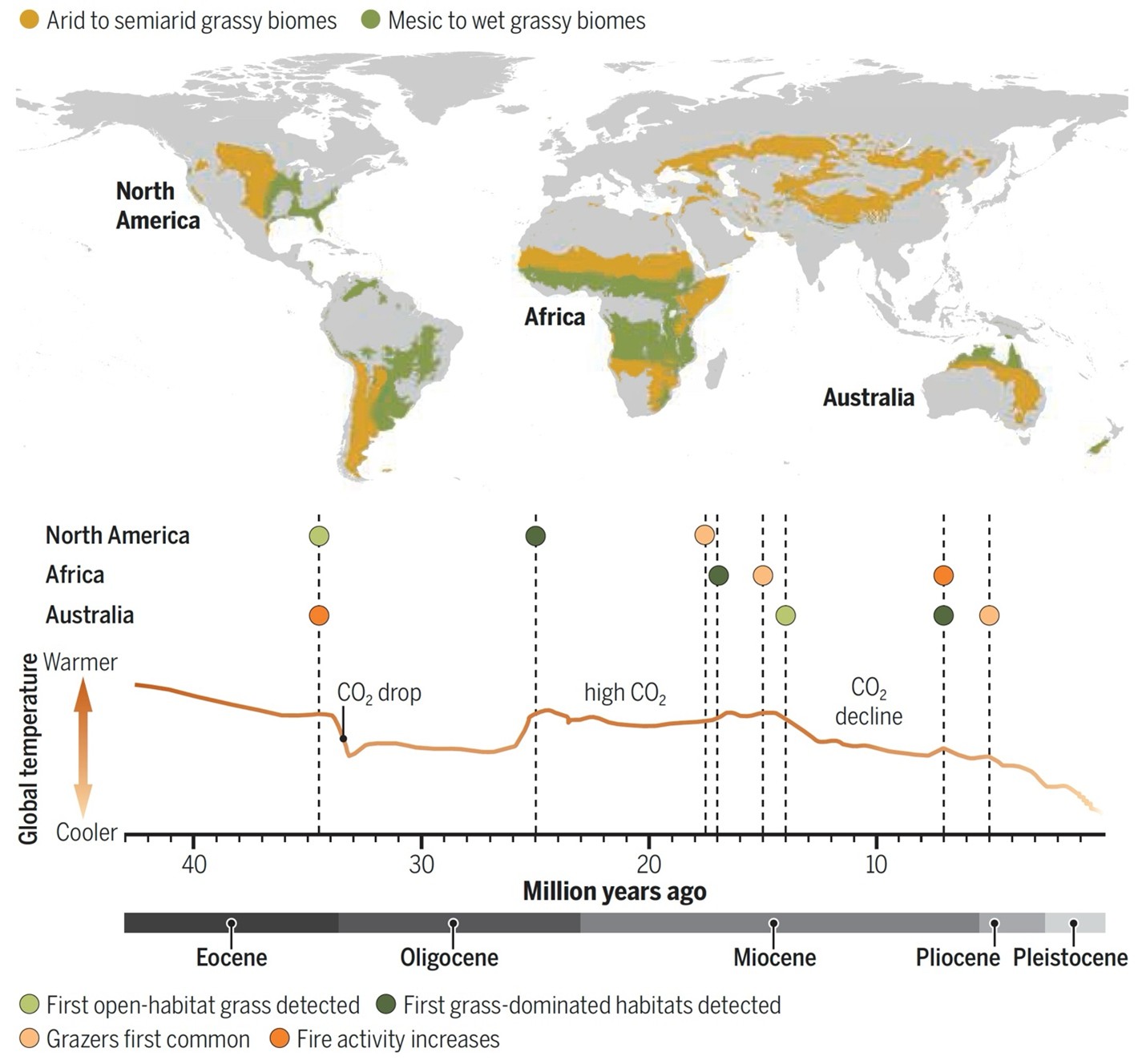
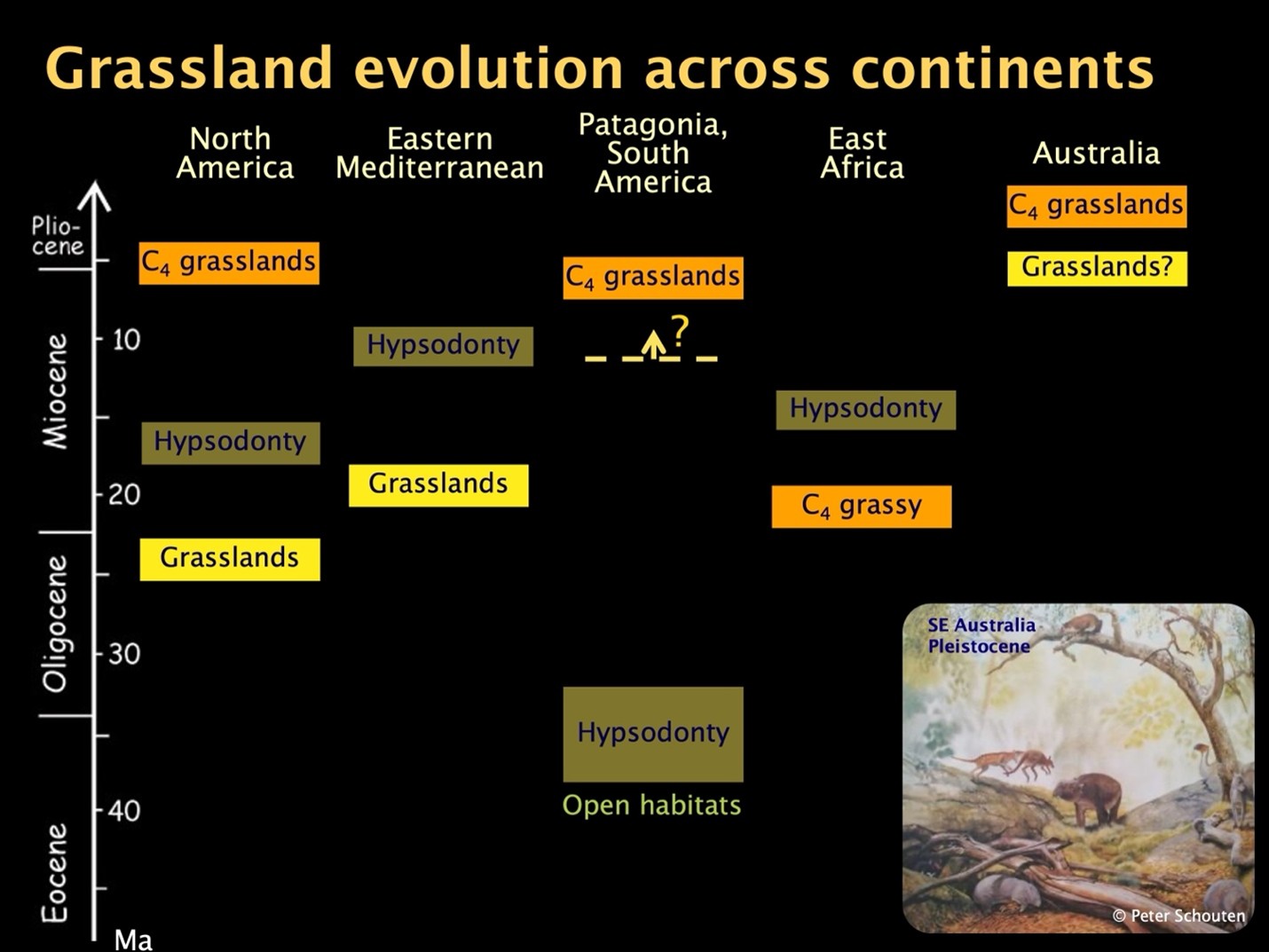
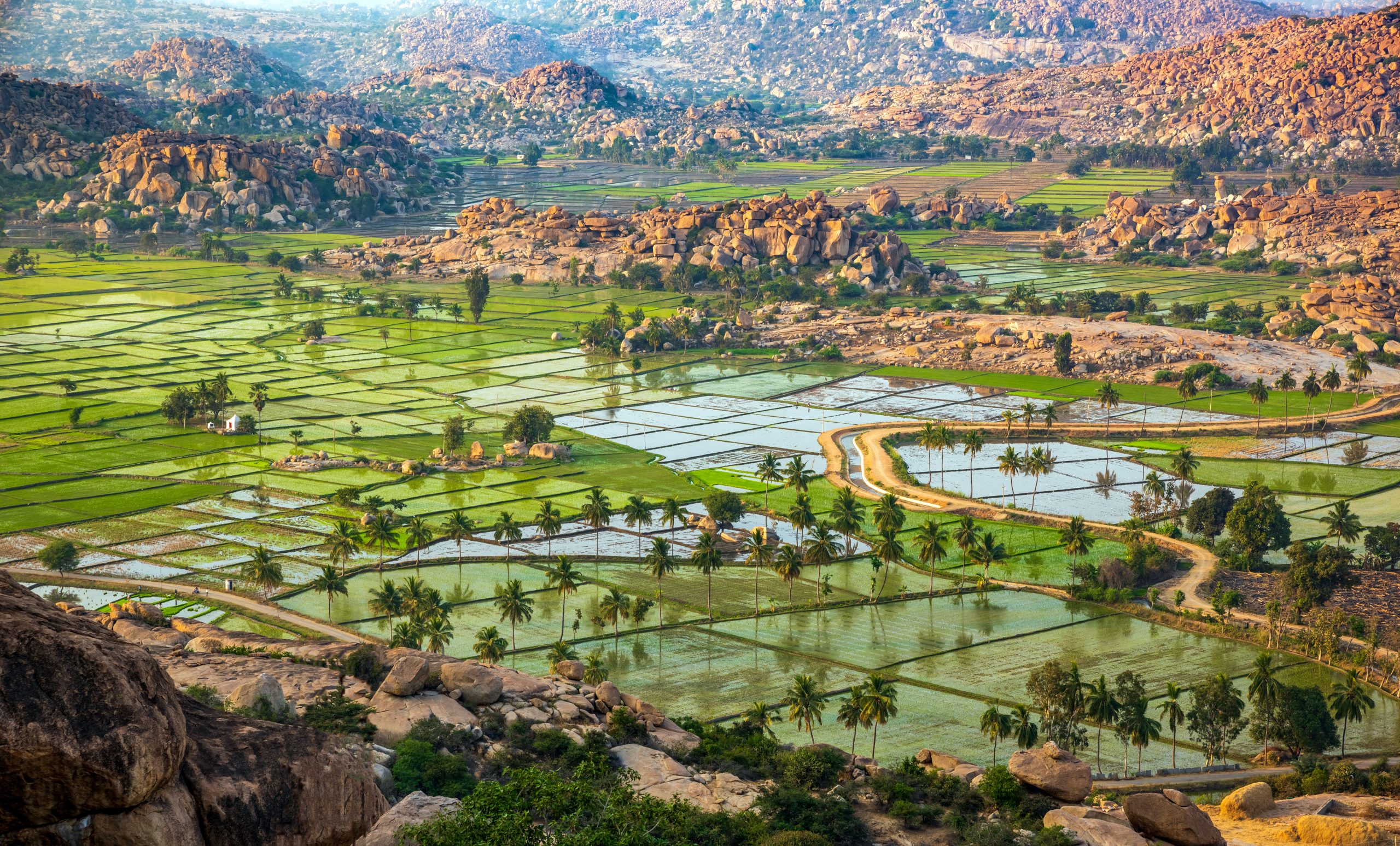
Grasses are monocotyledons (flowering plants whose seeds contain one embryonic leaf and that typically grow long linear leaves with parallel venation) belonging to the family Poaceae which contains around 11,000 species.Grasses such as rice, wheat, oats, corn and sugar (pictured) form a vast proportion of the food consumed across the world. They can also be used for producing cattle feed or grazed directly. Grasses such as bamboo can be used for construction and others as biofuels. Grasslands are ecosystems dominated by grasses. They don’t have to be monospecific, but can contain different types of grass as well as other plants too. Grasslands can host a surprising amount of biodiversity with some beating tropical rainforests for the number of species they can support. They cover over 40% of the Earth’s land having a huge impact on the climate, mineral cycles and other organisms.From their evolution in the Early Cretaceous (no younger than 100 million years ago) to the first definitive body fossils in the Miocene (no older than 23 million years ago) the majority of the evolutionary history of grasses is without a reliable body fossil record. This is due to biases in the fossil record making grasses less likely to be preserved. This means that various proxies need to be used in order to understand the evolutionary history of grasses.One line of evidence are the ‘phytoliths’ which form within the epidermal cells of grass. These are made of silica, so have a relatively good preservation potential. The shape of these phytoliths are known to carry a phylogenetic signal, meaning it’s possible to match different phytolith shapes to different groups of grasses.Whilst it’s not possible to reconstruct what an individual plant would have looked like from a single phytolith, they can be used to collectively build a picture of which groups of grasses were present in the area surrounding a depositional environment. This can still be incredibly informative and much of the understanding of grass evolution comes from such microscopic fossils. Image: Eocene bamboo grass rondel phytolith from Nebraska. Phytolith = ca. 12 µm across. Credit: C. Strömberg.In fact, phytoliths and epidermal remains have even been discovered in between the teeth of a basal hadrosaurid, Equijubus normani, from the Early Cretaceous of China. These fossils provide direct evidence that grass formed part of this dinosaur’s diet. Other such direct evidence of dinosaurs eating grass comes from coprolites in the Late Cretaceous. Credit: Yan Wu, Hai-Lu You, Xiao-Qiang Li, Dinosaur-associated Poaceae epidermis and phytoliths from the Early Cretaceous of China, National Science Review, Volume 5, Issue 5, September 2018, Pages 721–727, https://doi.org/10.1093/nsr/nwx145 Licence: CC BY 4.0.These epidermal fragments and phytoliths are the oldest-known grass fossils and were, unsurprisingly, from one of the earliest-diverging groups of grasses. Image: (a, b) Silicified epidermal pieces. (c-h) Three slightly bilobate phytoliths with (c-f) representing one phytolith in four different views. LC, long cell; SC, short cell; SCP, short-cell pair; ST, stoma. Credit: Yan Wu, Hai-Lu You, Xiao-Qiang Li, Dinosaur-associated Poaceae epidermis and phytoliths from the Early Cretaceous of China, National Science Review, Volume 5, Issue 5, September 2018, Pages 721–727, https://doi.org/10.1093/nsr/nwx145 Licence: CC BY 4.0.The spread of grasslands can also be observed in the fossil record of other organisms. Adaptations to life in such open habitats includes the possession of long legs, large body size, tooth morphology and large chewing muscles. The evolution of ‘hypsodont’ teeth (those with high crowns) was required to deal with the erosion from processing grasses containing hard silica phytoliths and so are good evidence for a grazing lifestyle and thus the presence of grasslands.Another powerful proxy are carbon isotopes. The ratios of 12C and 13C within a plant is indicative of which type of photosynthesis it uses, whether C3 (orange) or C4 (blue), with the latter type able to fix more of the heavier 13C from the atmosphere. C3 photosynthesis conveys an advantage for plants at higher latitudes/altitudes, in lower temperatures and in higher atmospheric concentrations of CO2 whereas C4 photosynthesis is more efficient for plants in the opposite climates. C4 photosynthesis is able to conserve more water, so C4 plants have a distinct advantage in the tropical lowlands where seasonal rainfall and aridity become an issue. Within grasses, C4 photosynthesis independently evolved at least twenty times and all within the PACMAD group of grasses. Therefore, if elevated amounts of 13C are detected in an analysis, then it likely points to the increased presence of grasses from the PACMAD group and a warmer subtropical climatic regime. Furthermore, since grasses are primary producers, this isotopic signal is picked up by herbivores and carried up the food chain. It’s therefore possible to estimate the proportion of C3 and C4 plants supporting your own diet from the carbon isotopes making up your body. Credit: Gallaher et al. 2019.Using phylogenetics (the study of evolutionary relationships), it’s possible to observe large scale evolutionary patterns. The tree above, when colour-coded to show the habitats of modern species reveals grasses with the earliest divergence dates to mostly live in the forest understory (dark blue), whereas bamboos occupy forest margins (light blue). By comparing the tree above with the previous one showing C3/C4 photosynthesis, it’s apparent that most C4 grasses are open habitat (red), whereas only one group outside of the PACMAD group, the Pooideae, are open habitat. Credit: Gallaher et al. 2019.By collating the lines of direct and indirect evidence, a wider picture of the evolution of grasses and grasslands can be produced. There are big delays between the evolution of grass, the first record of open habitat grasses and the formation of the first grasslands. Surprisingly, the timing of these events also differs between continents.Interestingly, the evolution of hypsodonty (high crowned teeth) occurred tens of millions of years before the first evidence of grasslands in South America. Untangling the controls behind these patterns is key to understanding how grasses and grasslands are likely to respond to future change.With With anthropogenic climate change delivering future uncertainty, food crops may be at risk. How might C3 crops, such as rice (pictured) fare with increased temperatures and aridity? Would it be better to plant C4 plants in such areas or could a C4 rice be engineered? By studying the evolution of grass and grasslands, we are better informed to be able to tackle such huge issues.
We are committed to creating the highest quality palaeontological multimedia with no advertisements and at no cost to our audience.
We are now using Patreon to allow us to give something extra back to all those who contribute to the improvement of our show. Please chck out our reward tiers below!
Thank you for anything you can give!