-
Cretaceous
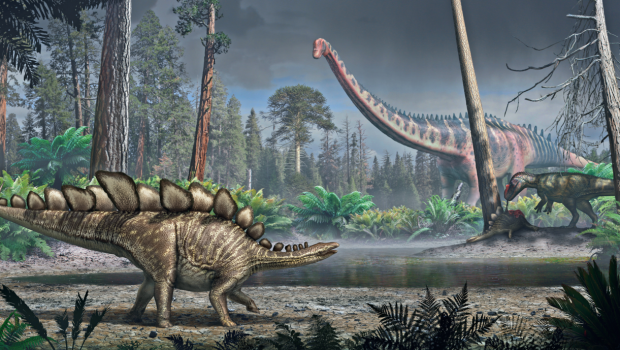
Prof. Paul Barrett of the Natural History Museum, London, recently authored A History of Dinosaurs in 50 Fossils. We took this as an opportunity to [&hellip
-
Mesozoic
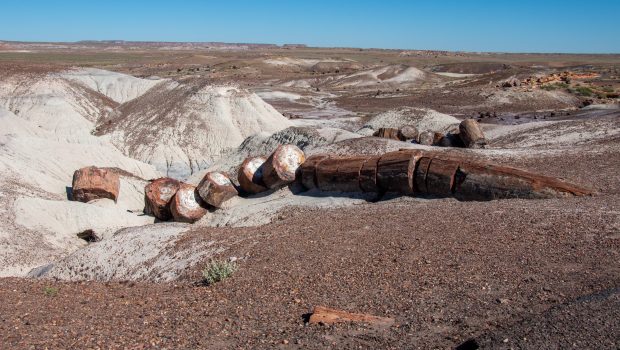
Petrified Forest National Park in northeastern Arizona, USA is a hub for Triassic palaeontology and has exposures representing 20 million years of the Late Triassic [&hellip
-
Cenozoic
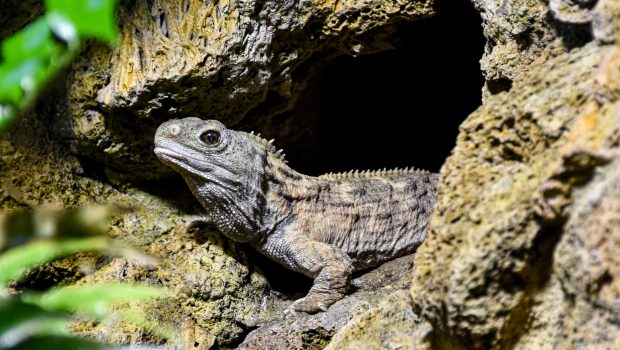
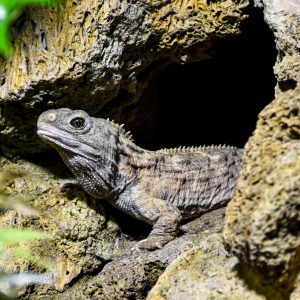
Today, there is only one living species of rhynchocephalian: the tuatara of Aotearoa/New Zealand. Despite today’s paucity of species, this was once a diverse group [&hellip
-
Mesozoic

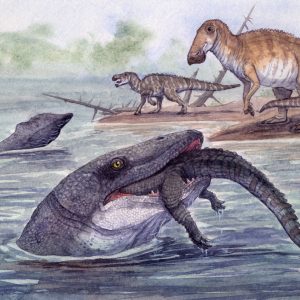
We dip into the freshwaters of the Hell Creek Formation. Oh dear
-
Cretaceous
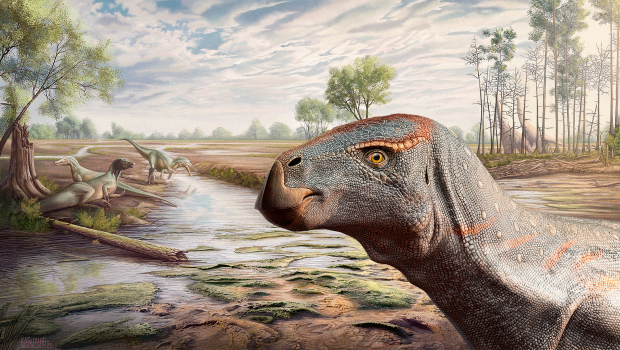
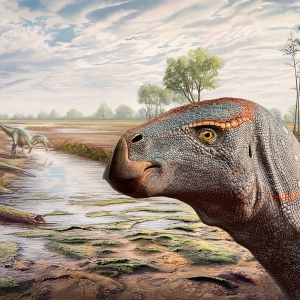
The iguanodontians were an incredibly successful group within the Cretaceous. They could reach incredible sizes, with the largest species even matching the proportions of some [&hellip
-
Cenozoic
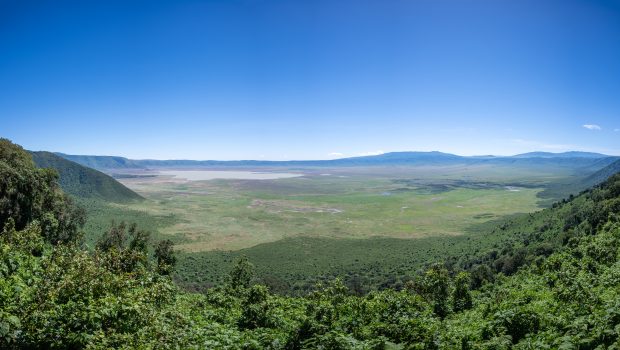
Grass dominated ecosystems cover 40% of the land on Earth. Prof. Caroline Strömberg explains why they are so successful
-
Cenozoic

Dr Christine Sosiak introduces us to the stem ants
-
Blog

I don’t need to tell you how awe-inspiring dinosaurs are, but I would like to tell you about how weird they were. There is no [&hellip
The Mesozoic era, meaning “middle life”, is a division of earth’s history spanning from around 252 to 66 million years ago. It is subdivided into the Triassic, Jurassic and Cretaceous periods. The beginning of the Mesozoic is characterised by a long phase of recovery following the end Permian mass extinction. The end of the Mesozoic is marked by the Cretaceous/Paleogene extinction event which wiped out the dinosaurs among other groups.
Published on April 15th, 2026 | by Sophie Pollard
Prof. Paul Barrett of the Natural History Museum, London, recently authored A History of Dinosaurs in 50 Fossils. We took this as an opportunity to get an overview of what we really know about dinosaurs and [&hellip... Read More →
Published on March 17th, 2026 | by Emily Keeble
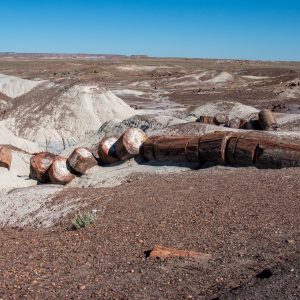
Petrified Forest National Park in northeastern Arizona, USA is a hub for Triassic palaeontology and has exposures representing 20 million years of the Late Triassic Chinle Formation. Visitors marvel at the colourful fossilised trees from which [&hellip... Read More →
Published on February 5th, 2026 | by Emily Keeble
Today, there is only one living species of rhynchocephalian: the tuatara of Aotearoa/New Zealand. Despite today’s paucity of species, this was once a diverse group of reptiles, with a wide range of lifestyles from swimming in [&hellip... Read More →
Published on December 12th, 2025 | by David Marshall
We dip into the freshwaters of the Hell Creek Formation. Oh dear... Read More →
Published on September 15th, 2025 | by David Marshall
The iguanodontians were an incredibly successful group within the Cretaceous. They could reach incredible sizes, with the largest species even matching the proportions of some sauropods, and they also had an incredible palaeogeographic range, meaning that [&hellip... Read More →
Published on September 1st, 2025 | by David Marshall
Grass dominated ecosystems cover 40% of the land on Earth. Prof. Caroline Strömberg explains why they are so successful... Read More →

Published on July 1st, 2025 | by David Marshall
Dr Christine Sosiak introduces us to the stem ants... Read More →

Published on May 14th, 2025 | by Hady George
I don’t need to tell you how awe-inspiring dinosaurs are, but I would like to tell you about how weird they were. There is no shortage of bizarre dinosaurs, from the hotly debated Spinosaurus with a [&hellip... Read More →

Published on January 20th, 2025 | by Hady George
If there was a Period of Earth’s history that could be called ‘the one with the weird vertebrates’, it would be the Triassic. And if you don’t believe me, I ask you to turn your attention [&hellip... Read More →
Published on November 4th, 2024 | by Hady George
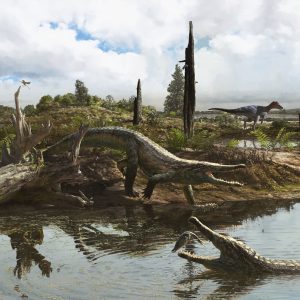
If I asked you to imagine a crocodilian you would no doubt conjure up a semi-aquatic ambush predator covered in scales, scutes, and with a long snout, lined with sharp teeth, capable of delivering bone-breaking bites. [&hellip... Read More →