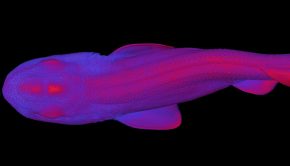


Episode 177: Cambrian Fecal Revolution
August 17th, 2026 | by David Marshall
How did the evolution of poop affect the planet

August 17th, 2026 | by David Marshall
How did the evolution of poop affect the planet
May 2nd, 2026 | by David Marshall
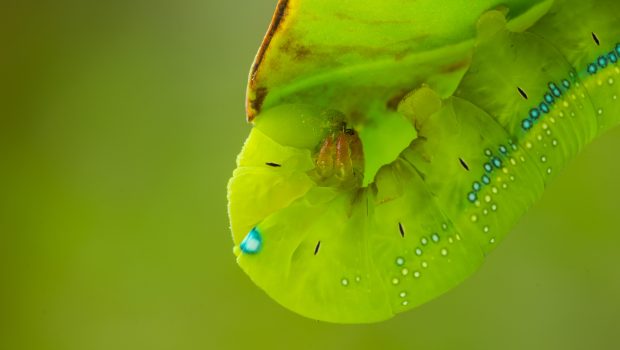
Can respiration be key to understanding gigantism in Carboniferous insects
April 15th, 2026 | by Sophie Pollard
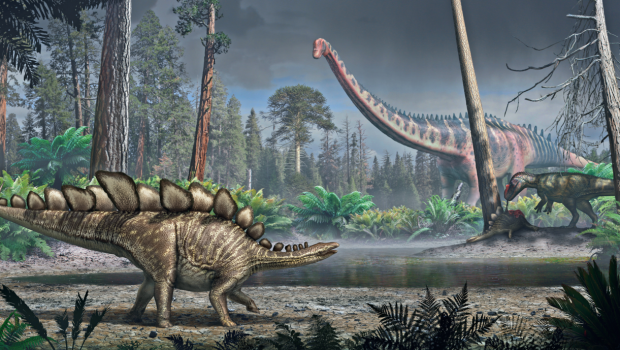
Prof. Paul Barrett of the Natural History Museum, London, recently authored A History of Dinosaurs in 50 Fossils. We took [&hellip
March 17th, 2026 | by Emily Keeble
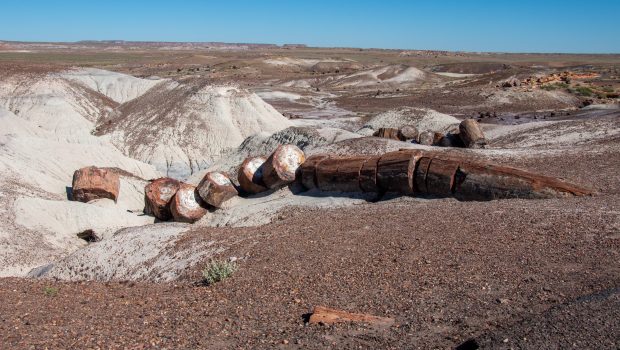
Petrified Forest National Park in northeastern Arizona, USA is a hub for Triassic palaeontology and has exposures representing 20 million [&hellip
February 5th, 2026 | by Emily Keeble
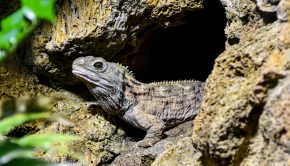
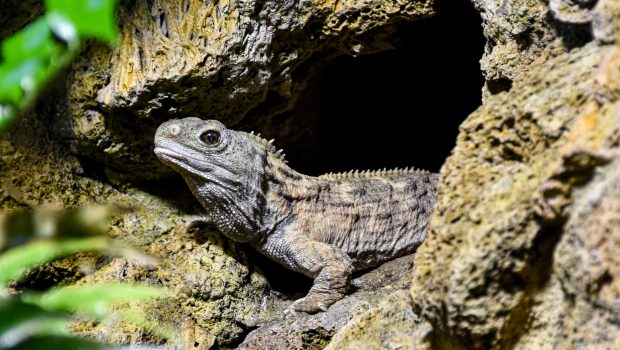
Today, there is only one living species of rhynchocephalian: the tuatara of Aotearoa/New Zealand. Despite today’s paucity of species, this [&hellip
December 12th, 2025 | by David Marshall
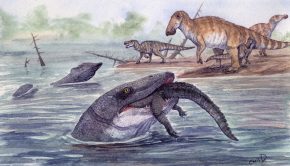
We dip into the freshwaters of the Hell Creek Formation. Oh dear
December 3rd, 2025 | by Emily Keeble
For 2025, SVP’s Annual Meeting was held in Birmingham, UK, giving the Palaeocast crew easy access to one of the [&hellip
September 15th, 2025 | by David Marshall
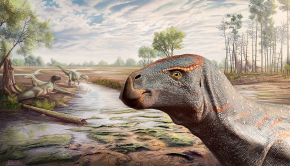
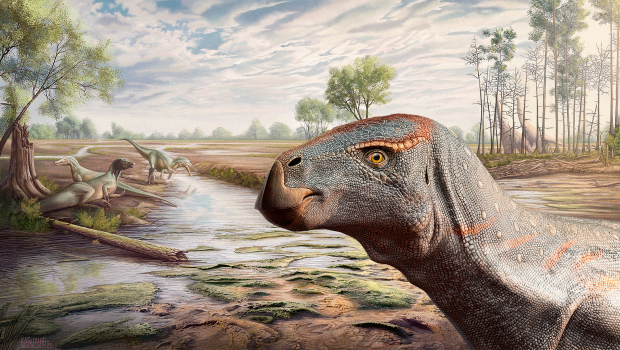
The iguanodontians were an incredibly successful group within the Cretaceous. They could reach incredible sizes, with the largest species even [&hellip
September 1st, 2025 | by David Marshall
Grass dominated ecosystems cover 40% of the land on Earth. Prof. Caroline Strömberg explains why they are so successful
August 1st, 2025 | by David Marshall
We get unexpected results whilst on the hunt for the earliest vertebrate teeth with Dr Yara Haridy


 Episode 177: Cambrian Fecal Revolution
August 17th | by
Episode 177: Cambrian Fecal Revolution
August 17th | by
 Episode 175/176: Insect Gigantism
May 2nd | by
Episode 175/176: Insect Gigantism
May 2nd | by
 Episode 174: A History of Dinosaurs in 50 Fossils
April 15th | by
Episode 174: A History of Dinosaurs in 50 Fossils
April 15th | by
 Episode 173: Petrified Forest
March 17th | by
Episode 173: Petrified Forest
March 17th | by
 Episode 172: Rhynchocephalians
February 5th | by
Episode 172: Rhynchocephalians
February 5th | by