Cretaceous

Published on April 15th, 2026 | by Sophie Pollard

0

Episode 174: A History of Dinosaurs in 50 Fossils

Prof. Paul Barrett of the Natural History Museum, London, recently authored A History of Dinosaurs in 50 Fossils. We took this as an opportunity to get an overview of what we really know about dinosaurs and how it’s even possible to tell their story with just 50 specimens.

In this episode, Paul discusses the history of dinosaur research, the current state of the science and what are still some of the big unknowns.

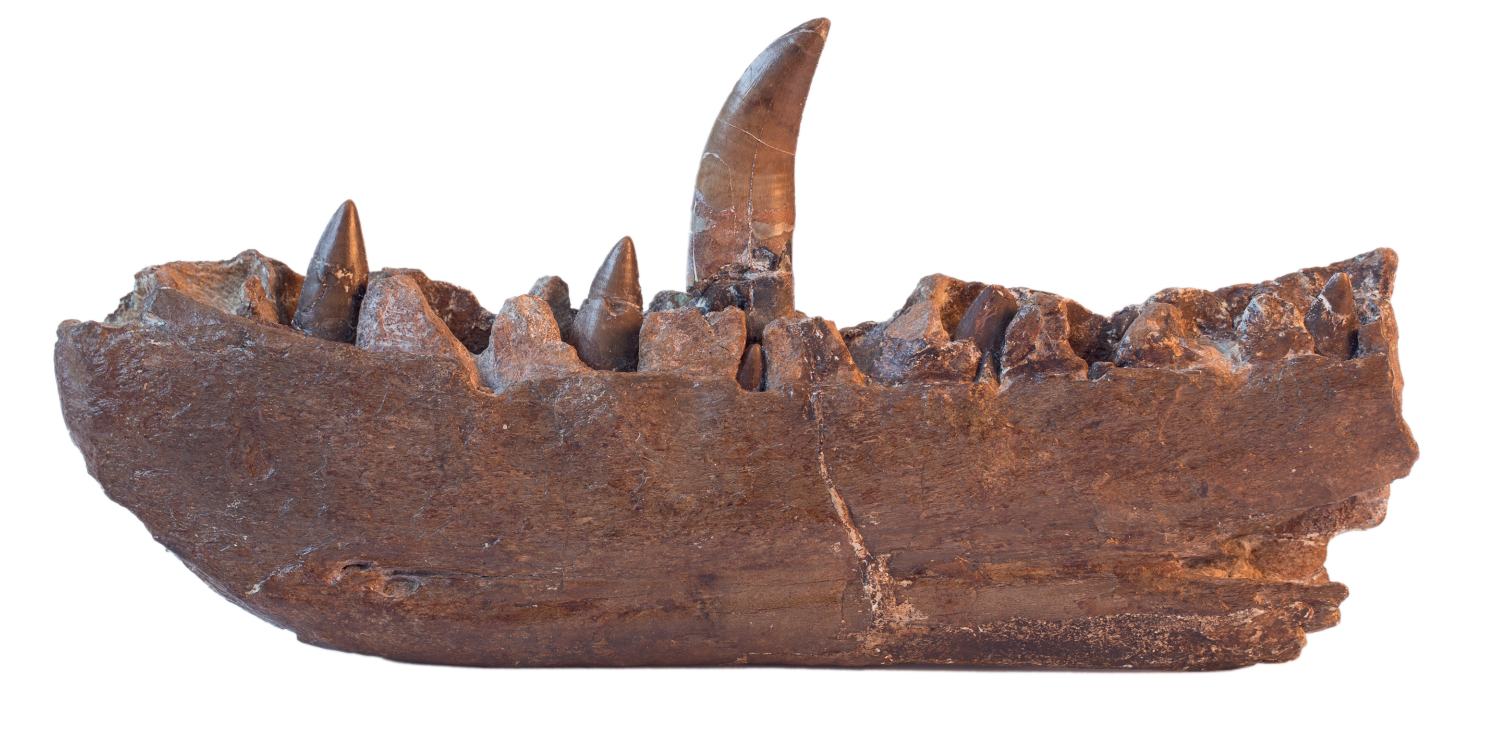
This imposing lower jaw is one of the original finds used by William Buckland when he named Megalosaurus in 1824.
Credit: ©The Trustees of the Natural History Museum, London
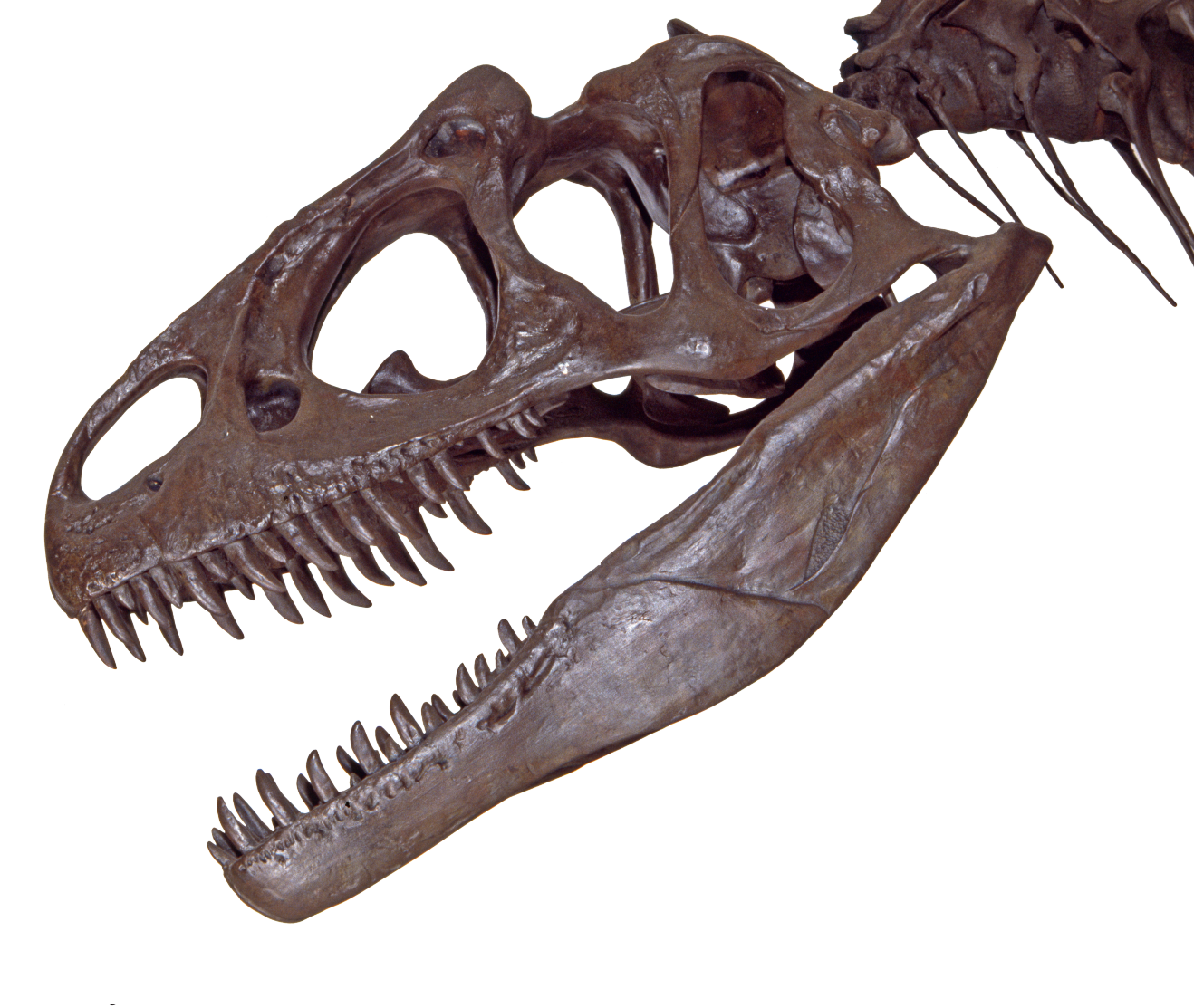
As its remains are so abundant, Allosaurus is often used as a reference for interpreting the anatomy of other less complete theropods.
Credit: ©The Trustees of the Natural History Museum, London
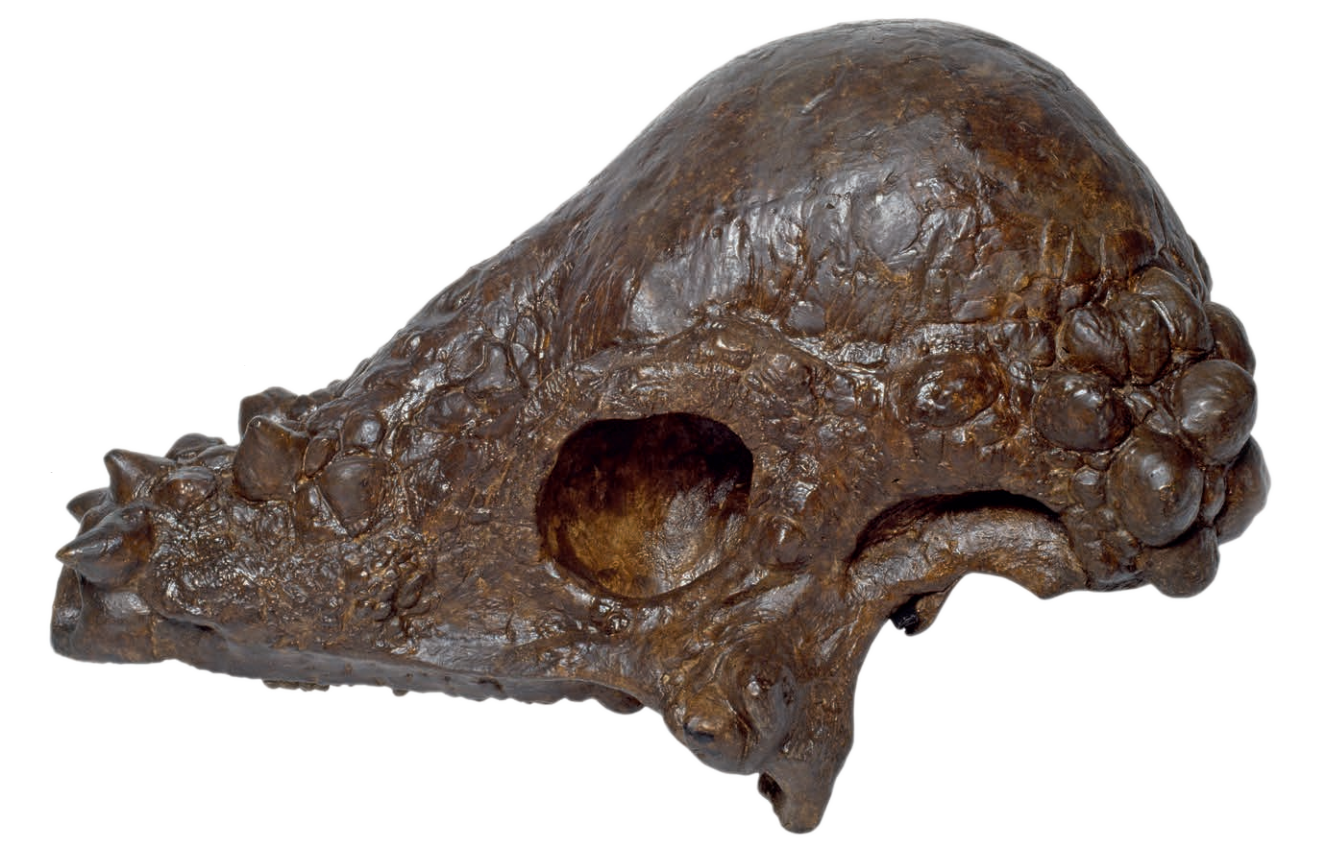
This is the skull of an adult Pachycephalosaurus, with a fully-formed skull dome and knobbly spikes on its snout and skull margins. In younger individuals the dome was much thinner and the spikes were longer and finer. These differences are so striking that some paleontologists originally regarded the youngsters as a different species.
Credit: The Trustees of the Natural History Museum, London
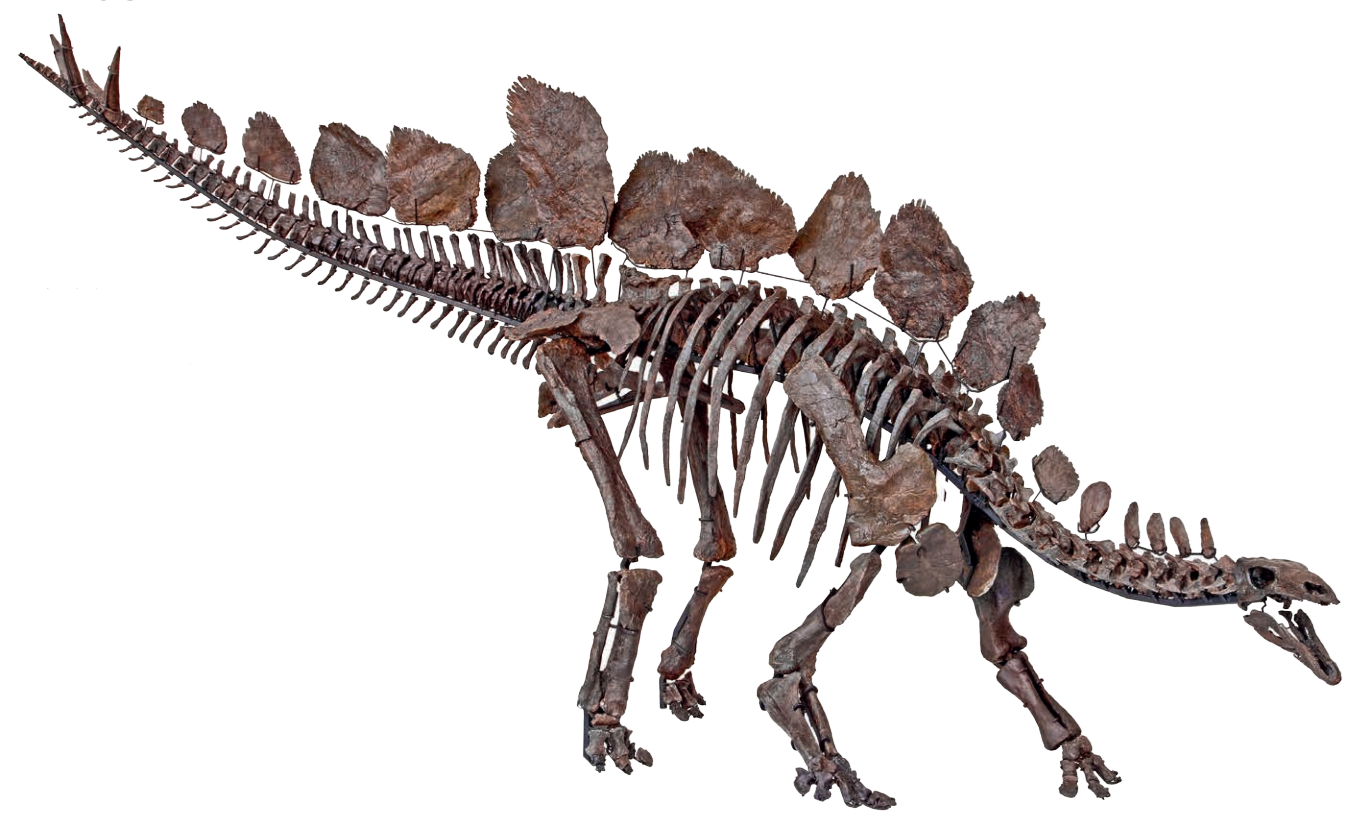
It used to be thought that the plates in Stegosaurus were paired, but complete specimens like ‘Sophie’ show that they alternated from side-to-side along the back. Plates on the neck and at the end of the tail were relatively small while the largest plates were situated over the hips.
Credit: ©The Trustees of the Natural History Museum, London
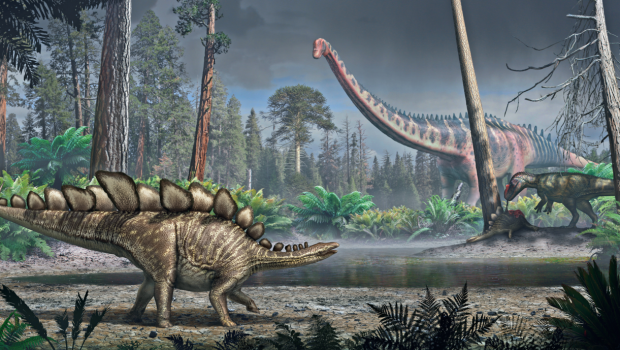
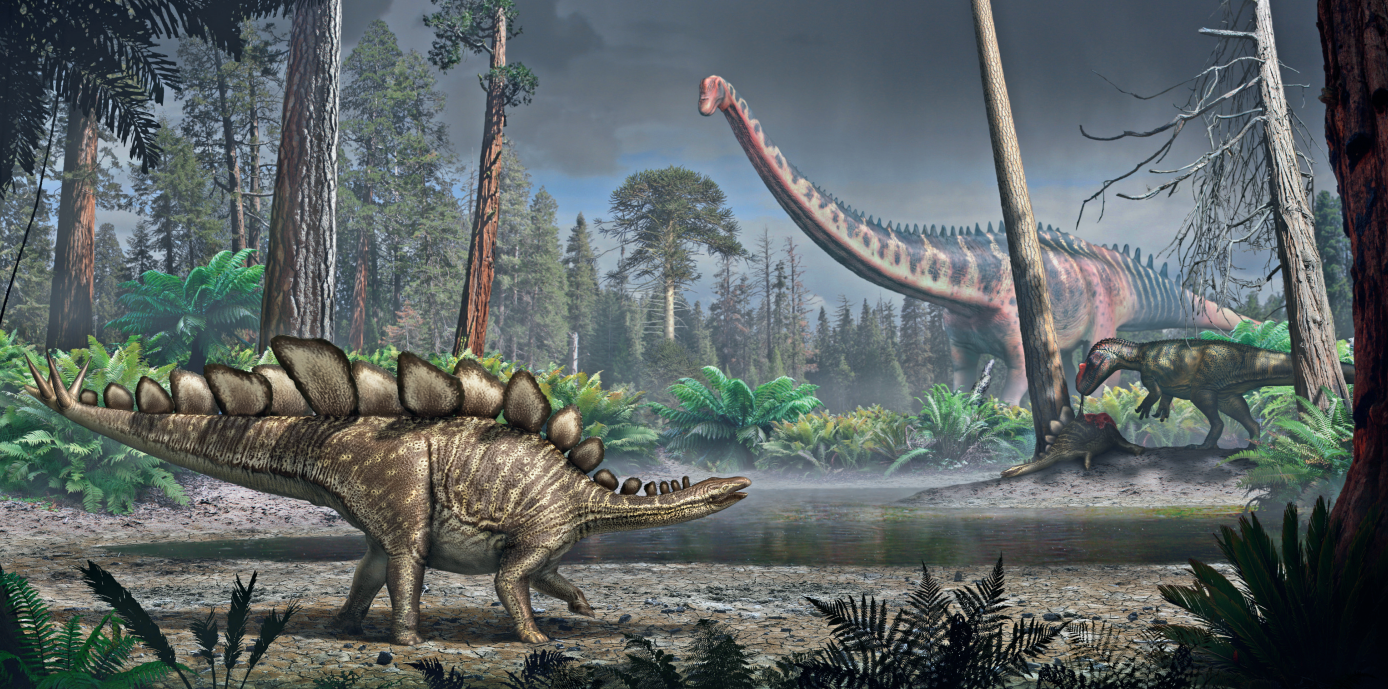
Dinosaurs dominated land ecosystems for nearly 150 million years. This scene shows one of the most famous examples, from the Upper Jurassic Morrison Formation of the USA, with Stegosaurus (left), Diplodocus (centre) and Allosaurus (right).
Credit: ©Robert Nicholls / Trustees of the Natural History Museum, London
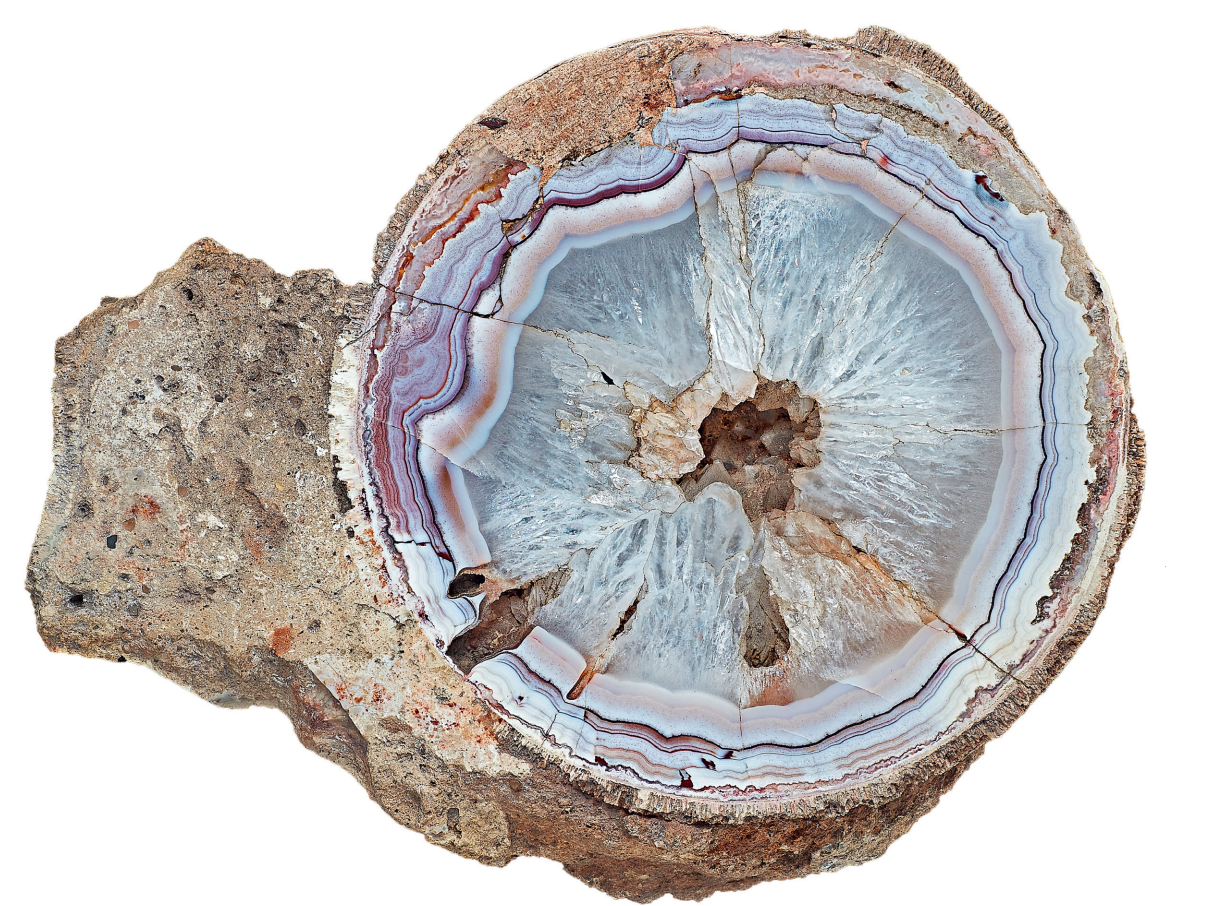
Although the interior of this titanosaur egg is now filled with brightly coloured agate, it would have originally contained a yolk, egg white and a tiny dinosaur embryo. When this specimen was acquired in the 19th century, it was probably the first dinosaur egg in any scientific collection, but it spent its time at the museum in the mineralogy collection unrecognised for what it really was.
Credit: ©The Trustees of the Natural History Museum, London
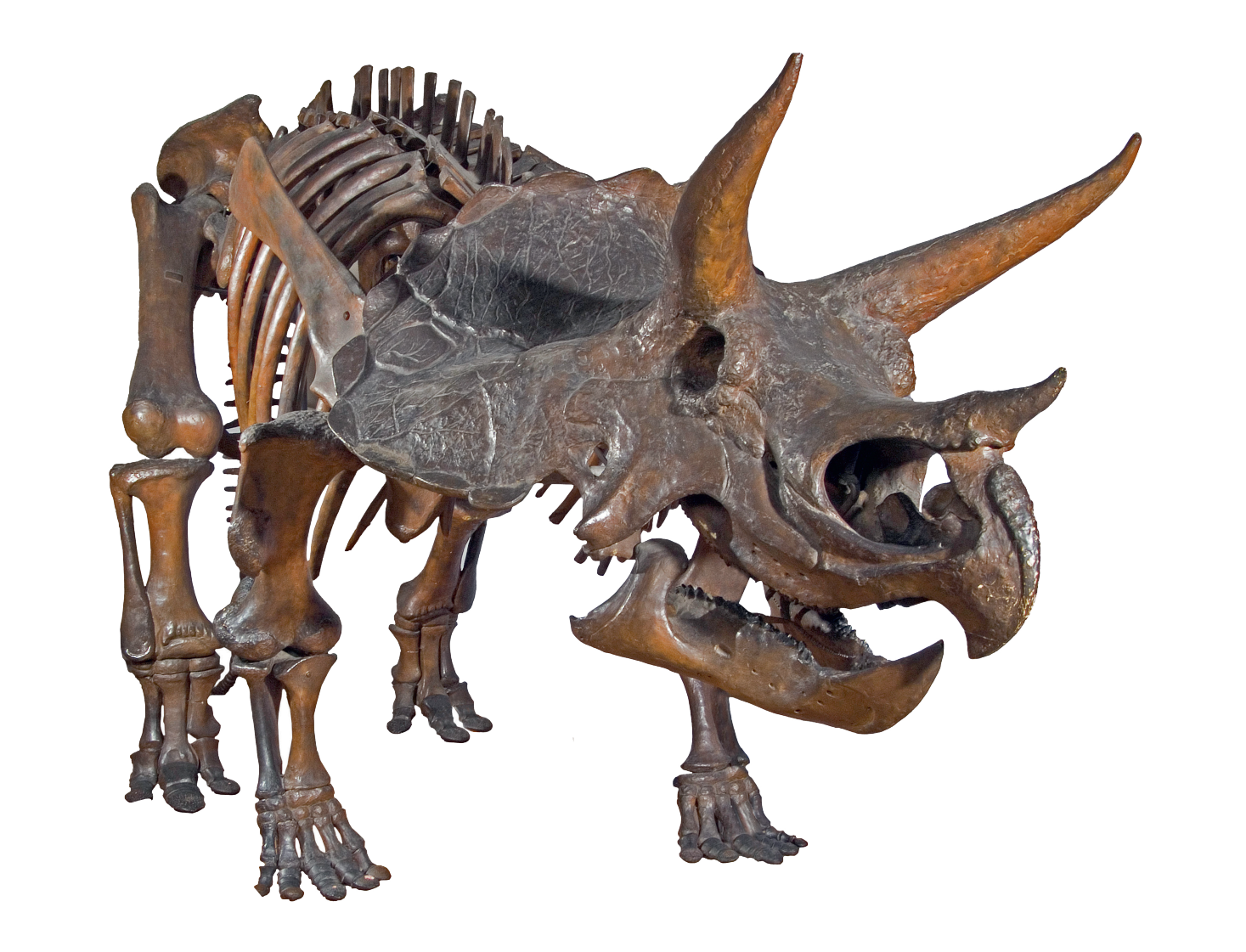
One of the most iconic dinosaurs, Triceratops is often shown in combat with Tyrannosaurus. Some fossils provide direct evidence of this behaviour with Tyrannosaurus tooth marks on Triceratops bones.
Credit: ©The Trustees of the Natural History Museum, London

Tags: , , , , , , , , , , ,


Back to Top ↑