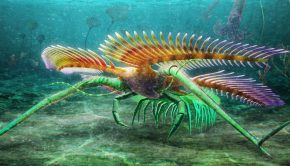
The Carboniferous period is host to some of the largest arthropods to have ever lived. Giant taxa such as the griffenfly Meganuera and the millipede Arthropleura are almost talismanic and are often depicted in reconstructions of the period. Since many other groups also have giant representatives in the Carboniferous, what is it about this time that allows for arthropods to grow to such large sizes?
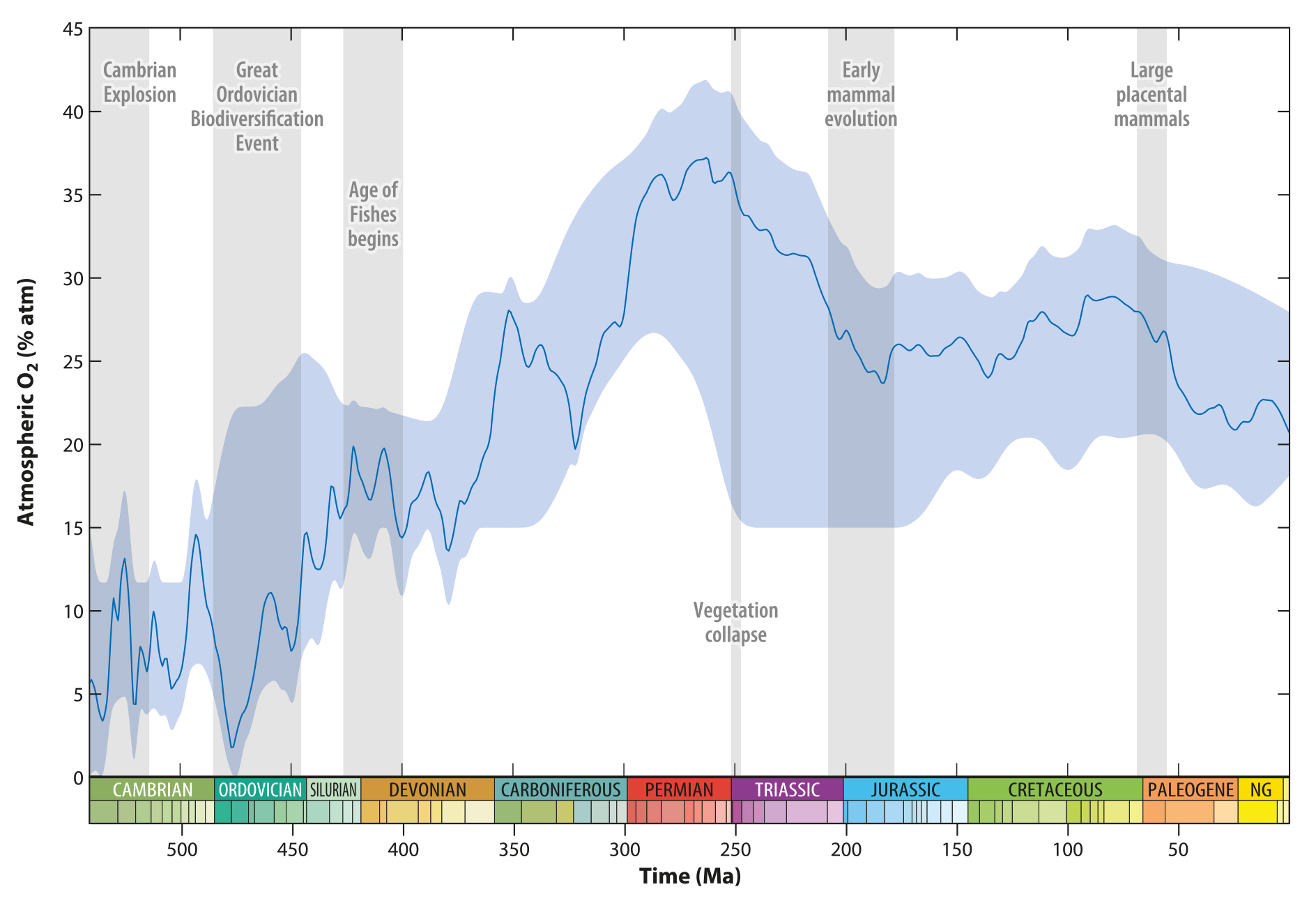
Arthropods breathe very differently to how we do with many using a series of branching hollow tubes called trachea for gas exchange throughout the body. This tracheal system uses diffusion and advection to exchange oxygen and carbon dioxide from areas of higher concentration to lower concentrations. In 1995, a study in the journal Nature suggested that elevated oxygen concentrations in the Carboniferous (approximately 30%, as opposed to 21% today) allowed for gigantism in arthropods since oxygen could diffuse deeper/further into their larger bodies.
A recently published study in the same journal is now casting doubt on that interpretation and in this interview, we are joined by one of the authors, insect physiologist Prof. Jon Harrison from Arizona State University. He introduces us to the tracheal system and its link to the size of insects in the Carboniferous.
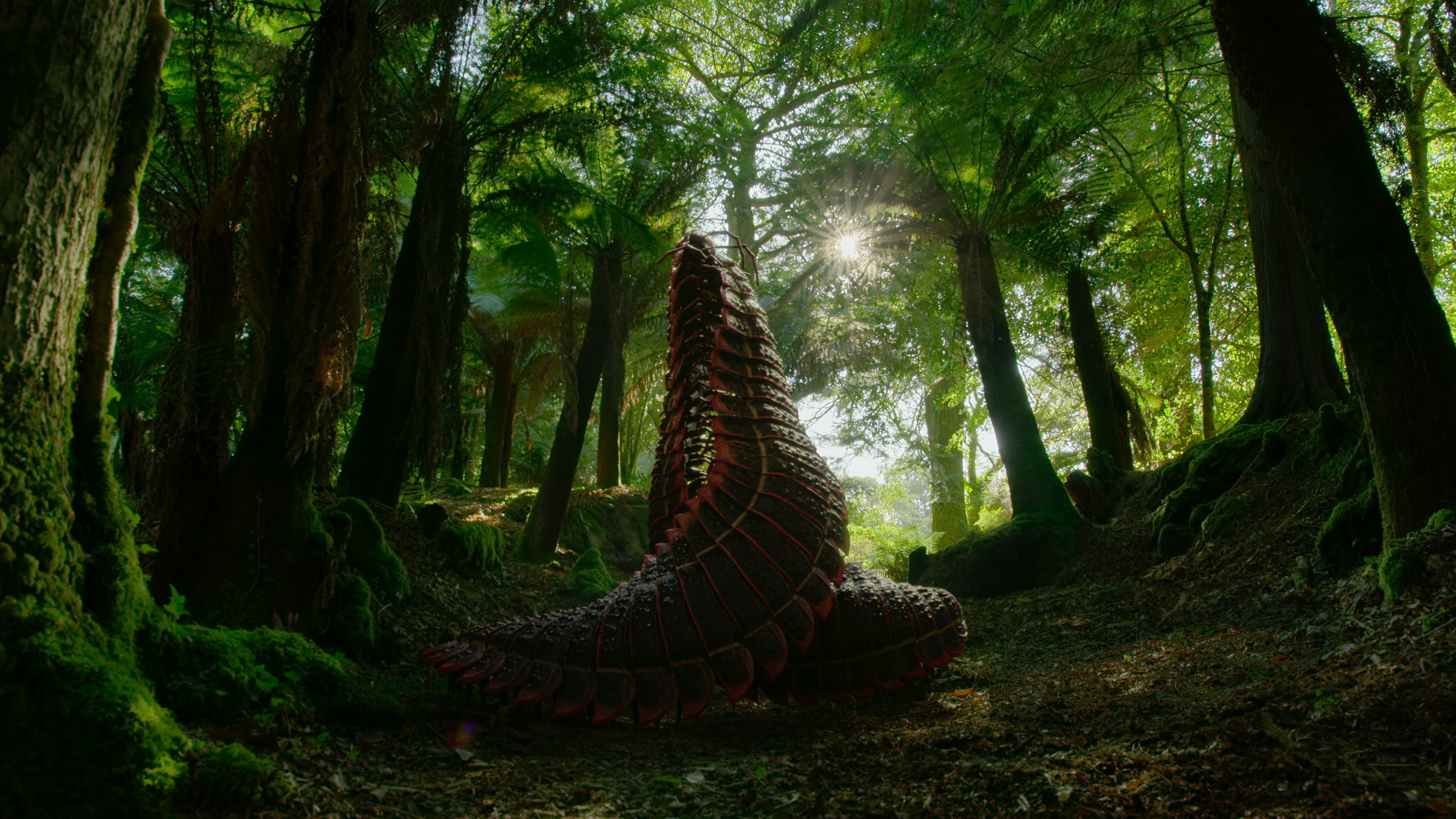
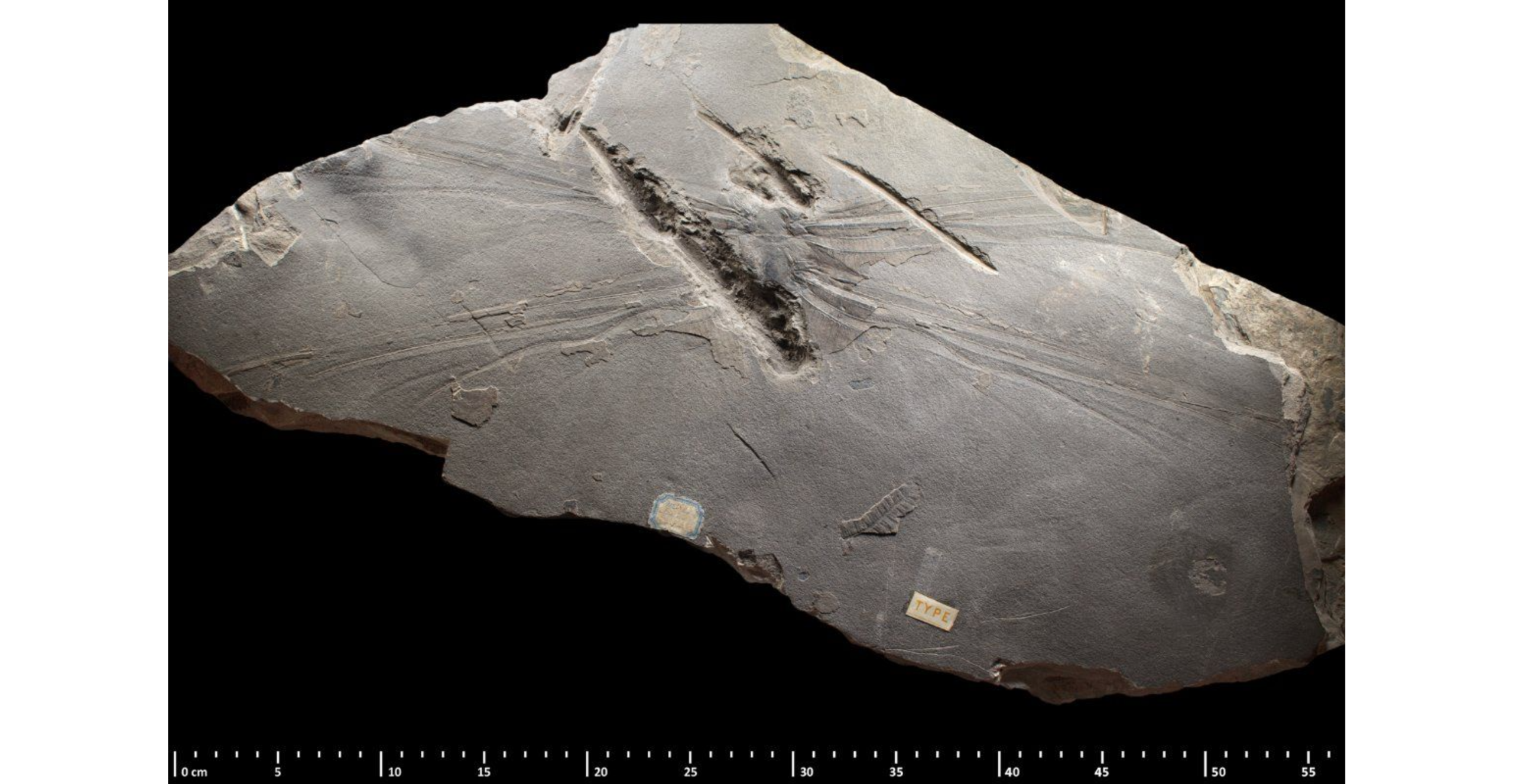
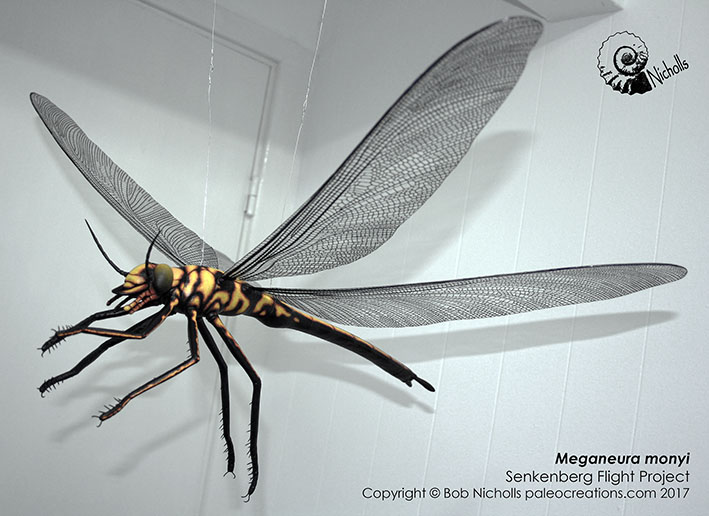
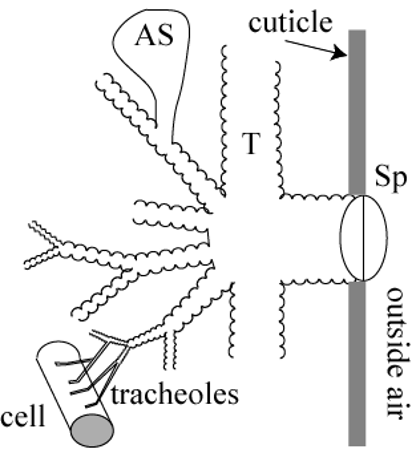
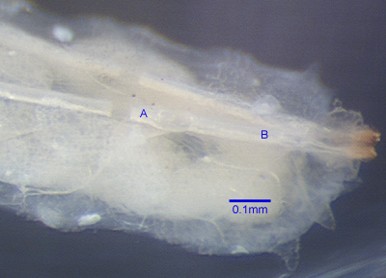
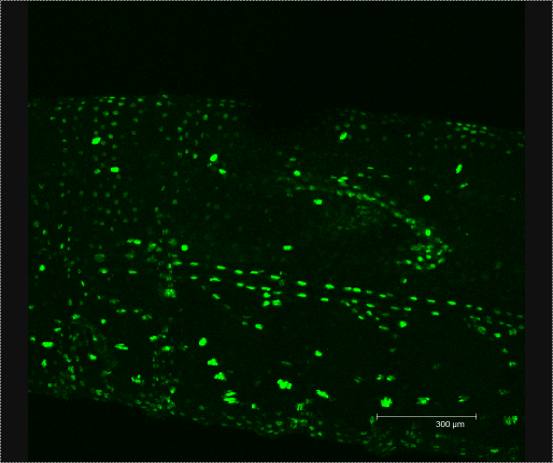
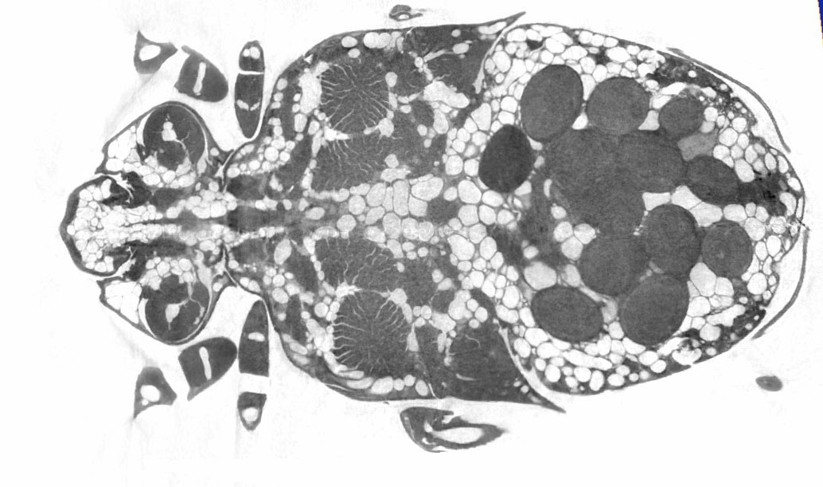
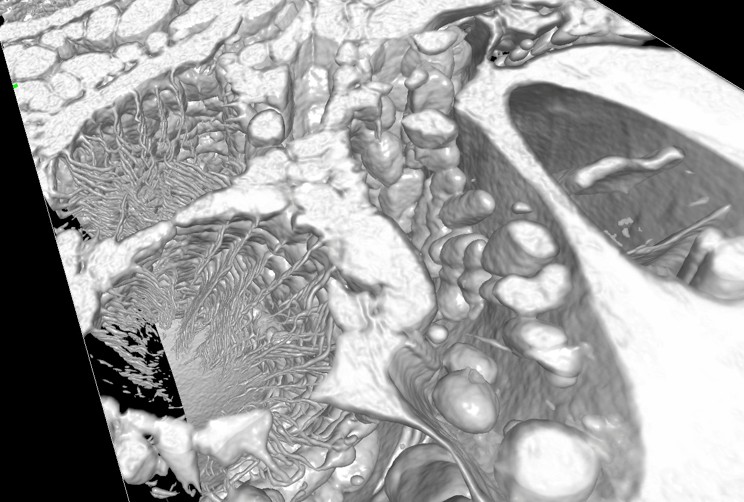
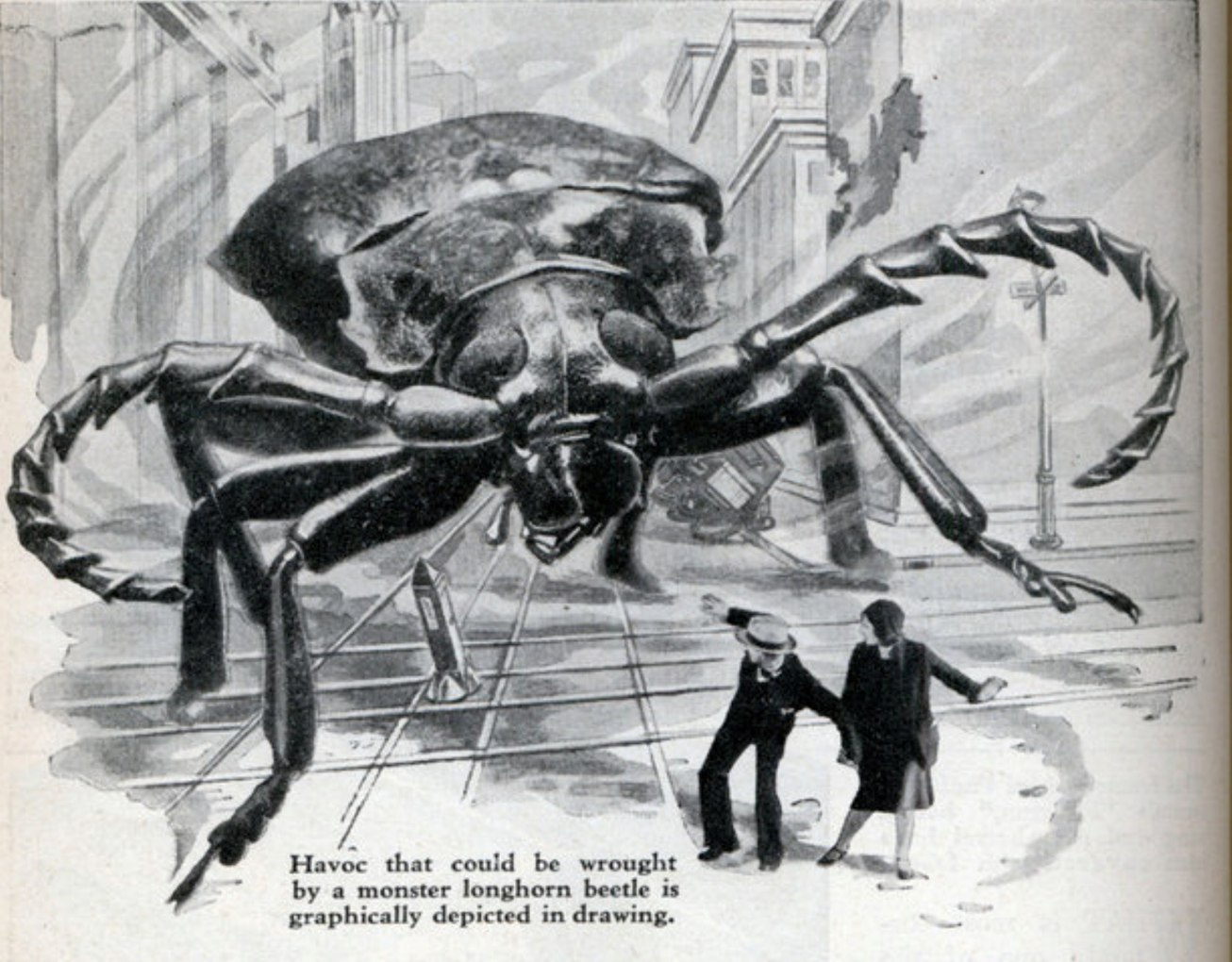
For some, the Carboniferous is synonymous with large arthropods including the millipede Arthropleura (pictured) and giant “dragonflies” Meganeura (see below). Image courtesy and copyright of Netflix.MNHN R51142. Lectotype of Meganeura monyi from France held at the Museum national d’Histoire naturelle, Paris. Meganeura had a wingspan of around 70cm. Despite this, they are not the largest insects of all time, with that honour going to the closely-related Meganeuropsis permiana of the early Permian of the USA. Image CC BY 4.0.Reconstruction of M. monyi by Bob Nicholls.Instead of lungs, like we have, Insects possess a tracheal system which is a series of branching hollow tubes throughout the body. There are typically eight pairs of openings to this respiratory system (called spiracles) visible on the outer surface of an insect. These can be seen as narrow black ovals on this caterpillar. The tracheal system is key to our understanding of insect gigantism in the Carboniferous. Details of the tracheal system with the spiracles (Sp) leading to the tracheae (T) which then branch into ever smaller tubes called tracheoles. Each cell of the body is able to exchange gasses with the atmosphere directly through neighbouring tracheoles. This system might initially appear fairly rudimentary but there is a lot of plasticity built into it and the use of air sacs (As), for example, allows for the movement of air to be controlled around the body.Larvae of the fruit fly Drosophila possess just two functional spiracles (orange), each connected to a single large longitudinal trachea (tube shape). These tracheae are capable of delivering all of the insects oxygen needs.Where the tracheal system is incapable of delivering sufficient oxygen, new growth and branching can be triggered in response to hypoxia (low oxygen) signals released by cells. Here, a green fluorescent protein has been bound to cells suffering from hypoxia. Such experiments have revealed the flexibility of the tracheal system to address the specific respiratory demands of the body.MicroCT image of a scarab beetle showing air sacs (white) throughout the body and flight muscles (centre, grey) penetrated by tracheae (white hair-like lines) whilst large eggs (solid grey) fill the abdomen. Air sacs are closely associated with flying species but can be used for numerous purposes such as bouyancy control, facilitating large body/appendage sizes, and helping to control ventilation throughout the respiratory system.Looking at the atmospheric concentration of oxygen throughout the Phanerozoic, it is clear that the Carboniferous and Permian had elevated levels. The leading hypothesis since the 90s has been that this higher concentration allowed for bigger sizes as the oxygen could diffuse deeper into the body of the arthropod. Image from Mills et. al. 2023 CC BY 4.0.CT scan of the flight muscle of a beetle. Here you can see the tracheae (hair-like shapes) penetrating into flight muscle bundles (negative space). The latest study on this issue reveals that as body size increases, there isn’t a very strong correlation with the tracheolar volume density; we don’t see a major increase in the fraction of the flight muscle occupied by tracheoles. Additionally, no modern insect can be observed near the maximum limit where muscle function begins to be impaired by the presence of the high volume of tracheoles. Therefore if the biggest insects today don’t need to compensate for oxygen diffusion, it can’t be the main controlling factor on body size.And that’s probably a good thing because large arthropods would wreak havoc (as graphically depicted above).Prof. Jon Harrison, co-author of Snelling, E.P., Lensink, A.V., Clusella-Trullas, S. et al. Oxygen supply through the tracheolar–muscle system does not constrain insect gigantism. Nature (2026).
We are committed to creating the highest quality palaeontological multimedia with no advertisements and at no cost to our audience.
We are now using Patreon to allow us to give something extra back to all those who contribute to the improvement of our show. Please chck out our reward tiers below!
Thank you for anything you can give!